The day of your nose surgery.
Patients often go through the day of their nose operation in their minds long before the consultation. So that you have a good picture of how your stay at the Kuzbari Centre for Aesthetic Medicine will actually go, we have summarised the individual steps for you.
Your day of surgery at a glance
| Getting here | Late morning or midday |
|---|---|
| Fasting | Nothing to eat from 6 hours before, nothing to drink from 2 hours before |
| Anaesthesia | General anaesthesia a dedicated specialist anaesthetist throughout the entire procedure |
| Duration of surgery | 1 – 4 hours |
| Stay | 1 night as an inpatient |
| Discharge | The next morning between 8 and 10 a.m. someone must accompany you on the journey home |
| Fit for work | After 3 – 7 days |
In the heart of Vienna's old town — easy to reach.
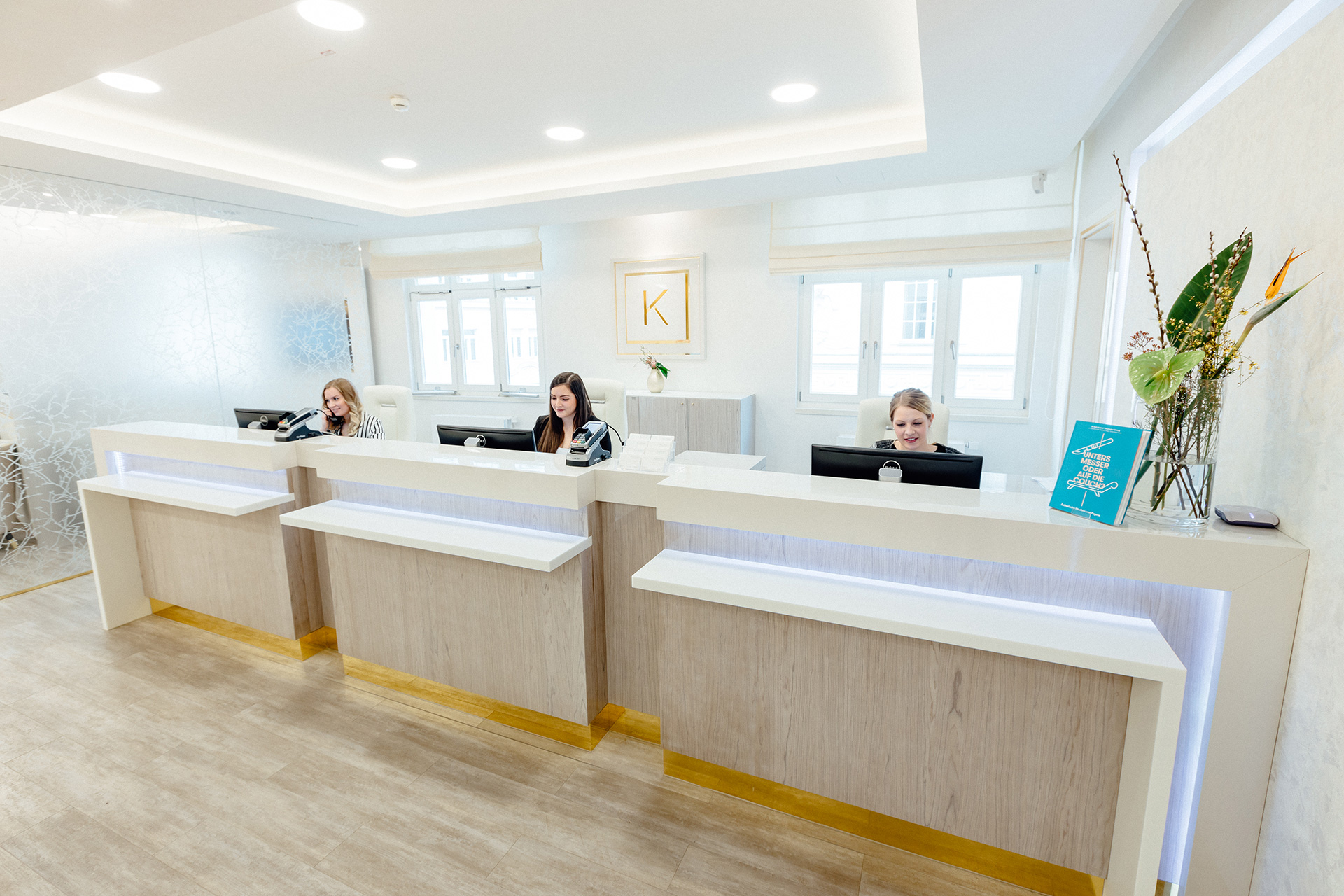
Whether on foot, by public transport or by car: the Kuzbari Centre in the heart of Vienna's old town is easy for everyone to reach — and it has been familiar surroundings to you since your consultation appointment. With us every appointment — from getting to know each other, through the operation, to the follow-up check — takes place under one roof.
Our address: Seitzergasse 2–4, 1010 Vienna
This is how your day of surgery goes
-
01
Arrival
Please come to the operation with an empty stomach and arrange someone to accompany you home the following day. On your arrival at the Kuzbari Centre you are welcomed by a member of the reception team and accompanied to the ward. There a member of the nursing staff shows you your room, where you can change for the operation. You are admitted as an inpatient. You are asked to make your choice for dinner and breakfast, which are delivered by the Park Hyatt.
-
02
The final preparations
After these preparations you head towards the surgical area, where you are received by the nursing staff working there. In the preparation area you meet your anaesthetist and discuss the anaesthesia. Before the operation your surgeon — Dr Kuzbari, Dr Grill or DDr. Wittmann — comes by once more to settle the last points.
-
03
The operation
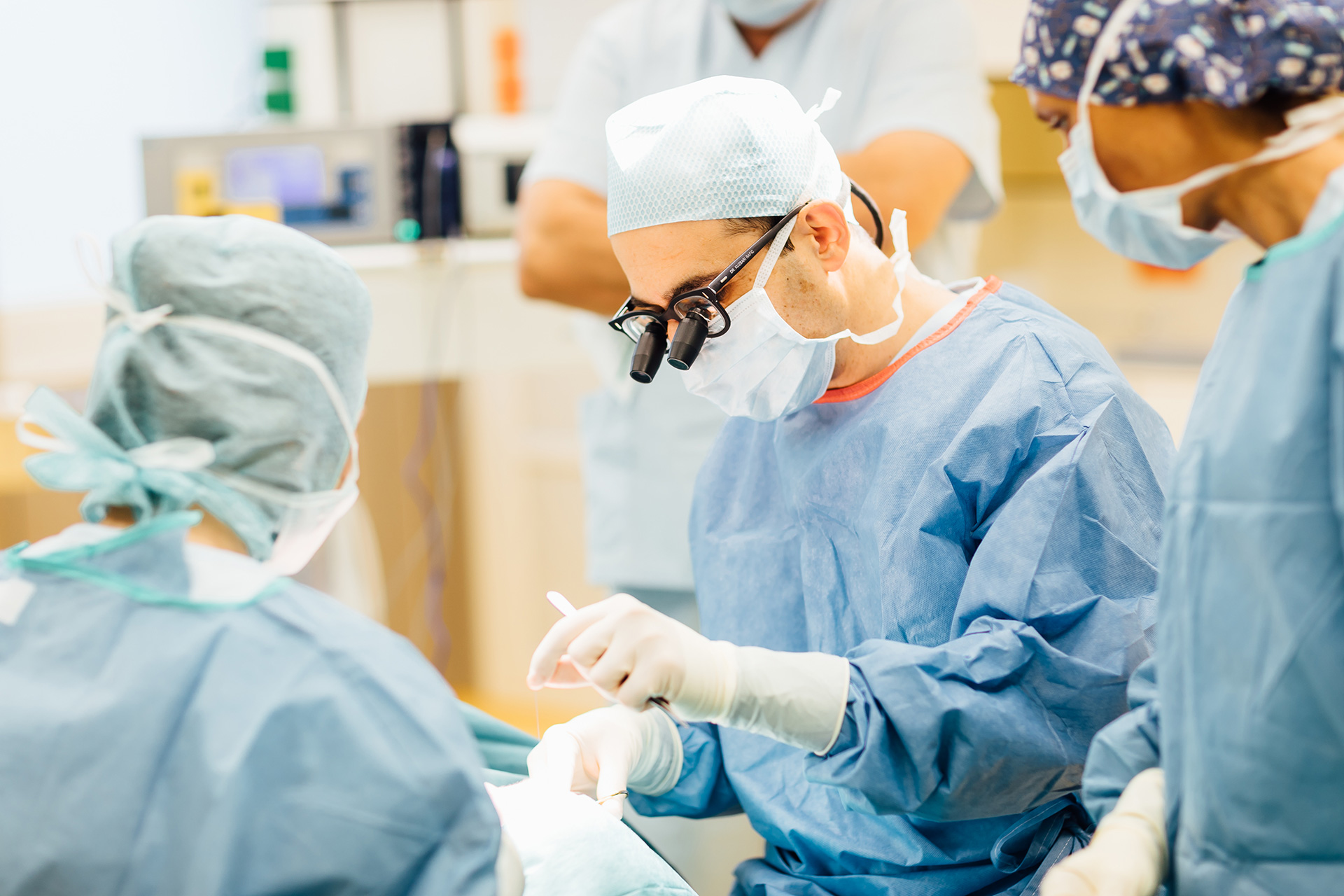
You are then taken into the operating theatre, positioned appropriately and prepared for the procedure. Your anaesthetist induces the anaesthesia. Once you are safely asleep, the final preparations for the operation begin. At the Kuzbari Centre we have the great advantage of being able to take as much time for your operation as necessary — in order to achieve the result you want.
-
04
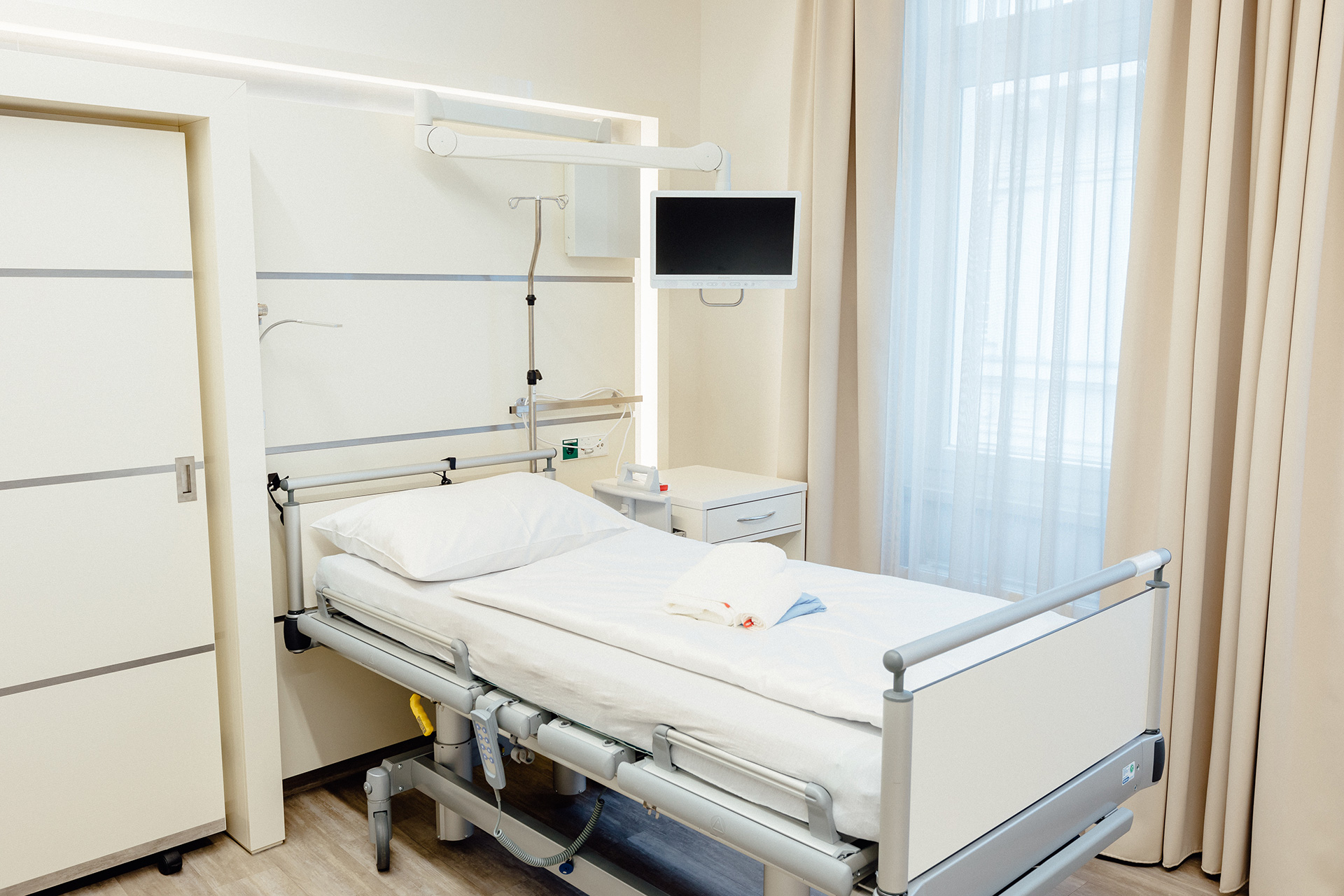
Your room at the Kuzbari Centre
At the end of the operation an external nasal splint or a nasal dressing is applied. Instead of classic packing we use gentle, thin splints. After waking up you spend 1 – 2 hours in the recovery room and are then taken to your room. As soon as you feel fit enough, you may get up for the first time — in the presence of the nurse. During the first night our nursing staff and the anaesthetist on duty are there for you around the clock.
-
05
The first day
On the day after the operation — usually between 7 and 8 o'clock — Dr Kuzbari, Dr Grill or DDr. Wittmann come on their round. The nose is gently cleaned and an antibiotic ointment applied. You are informed about the most important post-operative rules of conduct and receive painkillers as well as, if necessary, additional medication for the next few days at home.
-
06
Breakfast & home
After that you are served a generous breakfast. Between 8 and 10 o'clock you can leave the Kuzbari Centre for home together with the person accompanying you — someone to accompany you home is absolutely required. At the first follow-up appointment — already arranged — the nasal splint and the thin splints inserted are removed again.
One to four hours — for as long as it takes until every detail is right.
A rhinoplasty takes one to four hours with us. This range is deliberate: we operate in our own operating theatres and therefore without time pressure — for as long as it takes until every detail is right. How long a procedure takes is determined by the findings, not by the appointment schedule.
The time frame for your procedure is already set out in your surgical plan, which we go through together at the safety check. If it turns out during the operation that one step needs more care — because a cartilage graft has to be trimmed more finely than expected, for example — we take that time. There is no other operation waiting to start.
This has a pleasant side effect for you: because operating theatre, anaesthesia, nursing and recovery area belong to the same house and the same team, there are no waiting times on the day of surgery in which you sit around without having eaten. You are admitted at the agreed time and accompanied from there.
A specialist anaesthetist, just for you.
We generally perform rhinoplasty under general anaesthesia. Your anaesthetist meets you personally in the preparation area, goes through your findings, pre-existing conditions and medication once more and stays with you throughout the entire procedure.
After waking up you spend one to two hours in the recovery room and are then taken to your room. As soon as you feel fit enough you may get up for the first time — in the presence of the nursing staff. During the first night our nursing team and the anaesthetist on duty are there for you around the clock.
Many people worry about nausea after the anaesthetic. Preventive medication is routine with us, and if anything else is needed, one ring of the bell is enough.
What is actually done in those hours.
A rhinoplasty is not a single manoeuvre but a sequence of many small decisions. In turn, the access is chosen — inside the nose or with a tiny incision on the columella — the cartilage and bone framework is exposed and assessed, the nasal bridge is reshaped, the nasal tip is reformed and stabilised, the septum is straightened and, where necessary, a nasal valve is supported.
We stabilise the nasal tip using modern cartilage-supported techniques. This significantly reduces the risk of drooping of the nasal tip over the years. The cartilage needed for this comes from your own body — usually from the septum, which is addressed in the same procedure anyway.
Where the findings allow, we work with the modern nose-bridge-preserving technique known as dorsal preservation, as well as with hybrid techniques. The natural nasal bridge is preserved instead of being taken down and rebuilt. The simulation images from your initial consultation are on hand in the theatre throughout all of these steps.
The piezotome: ultrasound instead of a chisel.
Whenever the bony part of the nose has to be altered during a rhinoplasty, we work with a piezotome. This is an ultrasound instrument that cuts and smooths bone while leaving the soft tissue, the mucous membrane and the blood vessels untouched — classically this step is carried out with a chisel and a saw. For patients it means more precise work on the bone and, as a rule, fewer bruises and less swelling in the days that follow.
An honest classification matters to us: the piezotome is not a method of rhinoplasty in its own right and it does not automatically make a nasal operation better. It is a tool for one step of the procedure. What remains decisive is the planning and the experience of the surgeon. We use the piezotome as standard in every nasal operation; Univ.-Doz. Dr Rafic Kuzbari has been doing so for years.
The projectometer: measured, not estimated.
DDr. Jessica Wittmann works with the projectometer during her nasal operations, a sterile measuring instrument with a millimetre scale and a protractor. It records how far the nasal tip projects forward and how high the bridge sits.
The baseline value is taken before the first step, then measured again after every further step and compared with the plan from your 3D simulation. This makes it possible to check, while still in theatre, whether the bridge has been reduced by the planned amount and the tip raised accordingly. More on this on the methods page.
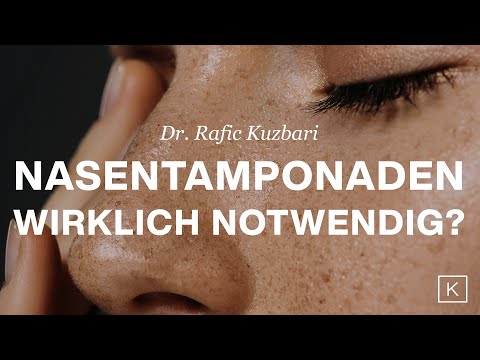
Is nasal packing really necessary?
Univ. Doz. Dr Rafic Kuzbari explains what packing is for and what gentle alternatives there are at the Kuzbari Centre.
„For many patients a new life begins, quite literally, with their new nose.“
Nose surgery: the procedure, the pain and the healing explained honestly
How does a nose operation work — and how bad is it really? Dr Christoph Grill takes you from the first consultation through the day of surgery to the healing: why the pain is more “like a week with a cold” and when you see the final result.

Included in the treatment package
-
Inpatient admission
Your own patient room at the Kuzbari Centre, one overnight stay.
-
Anaesthesia
Experienced anaesthetists — general anaesthetic or local anaesthetic with sedation, individually agreed.
-
Our own operating theatres
High-tech operating theatres at the Kuzbari Centre — exclusively for aesthetic procedures.
-
Park Hyatt catering
Dinner and breakfast from the kitchen of the neighbouring Park Hyatt Vienna (a five-star hotel).
-
A ward round the next day
A personal ward round by your surgeon, post-operative briefing, medication for home.
-
Reliable aftercare
We are reliably there for you through the aftercare — reachable 24 hours a day. All follow-up appointments are of course included.
Reducing swelling after nose surgery
DDr. Jessica Wittmann gives effective tips for reducing swelling after a rhinoplasty.

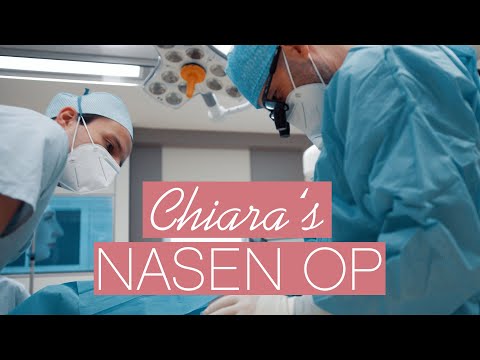
The process from the consultation to the time after the operation
In the following video Dr Grill describes the course of a rhinoplasty at the Kuzbari Centre — from the consultation to the time after the nose surgery.
Checklist
What to bring on the day of surgery — and what stays at home.
We organise everything medical. This list only concerns what you prepare yourself:
- Photo ID and health insurance card
- Current findings, blood count and list of medication
- Someone to accompany you home the following day — absolutely required
- Come fasting: stop eating and drinking as instructed by the anaesthesia team
- Comfortable clothing with a wide neckline that does not have to be pulled over the head
- Glasses instead of contact lenses — contact lenses stay at home
- Charging cable, headphones and something to read for the evening
- No make-up, no nail polish, no jewellery, no piercings
- Prepared at home: cooling compresses, a second pillow for elevation, supplies for the first week
- Stop blood-thinning medication only after explicit agreement — never on your own initiative
You will receive the times and medication instructions that apply to you at the safety check before the operation.
What patients most often ask before the day of surgery
How long am I at the Kuzbari Centre on the day of surgery?
You arrive in the morning or at midday, stay one night and leave us the next morning between 8 and 10 o’clock. The operation itself takes one to four hours.
Why does the operation take one to four hours?
A rhinoplasty takes one to four hours with us. This range is deliberate: we operate in our own operating theatres and therefore without time pressure — for as long as it takes until every detail is right. How long a procedure takes is determined by the findings, not by the appointment schedule.
Do I have to come fasting?
Yes. No food from six hours before the procedure, no drinks from two hours before — the anaesthesia team gives you the exact times at the safety check. Necessary medication is taken with a sip of water, as agreed.
Do I need someone to accompany me?
For the journey home the following day, someone to accompany you is absolutely required. After an anaesthetic you must not drive yourself for 24 hours and should not travel alone.
Which anaesthetic is used — and who looks after it?
We generally perform rhinoplasty under general anaesthesia, looked after by our own specialist anaesthetist who stays with you throughout the entire procedure. During the first night our nursing team and the anaesthetist on duty are there for you around the clock.
Will I have packing in my nose?
Wherever possible we avoid the classic, uncomfortable nasal packing. We work with gentle, thin splints that make breathing easier and can be removed comfortably.
Will I be in pain after the operation?
After nose surgery our patients rarely report pain — many describe the feeling as more like a week with a head cold. Some experience mild headaches. Everyone copes well with the painkillers we prescribe.
What do I bring to the Kuzbari Centre?
Photo ID, health insurance card, your current findings and list of medication, comfortable clothing with a wide neckline, glasses instead of contact lenses, and a charging cable. Jewellery, make-up, nail polish and contact lenses stay at home.
Recovery in a quiet atmosphere.
After the operation one thing counts above all: rest. You stay one night with us at the Kuzbari Centre, looked after by a well-established team — so that you can concentrate entirely on your recovery.
The very next morning you can as a rule go home again.

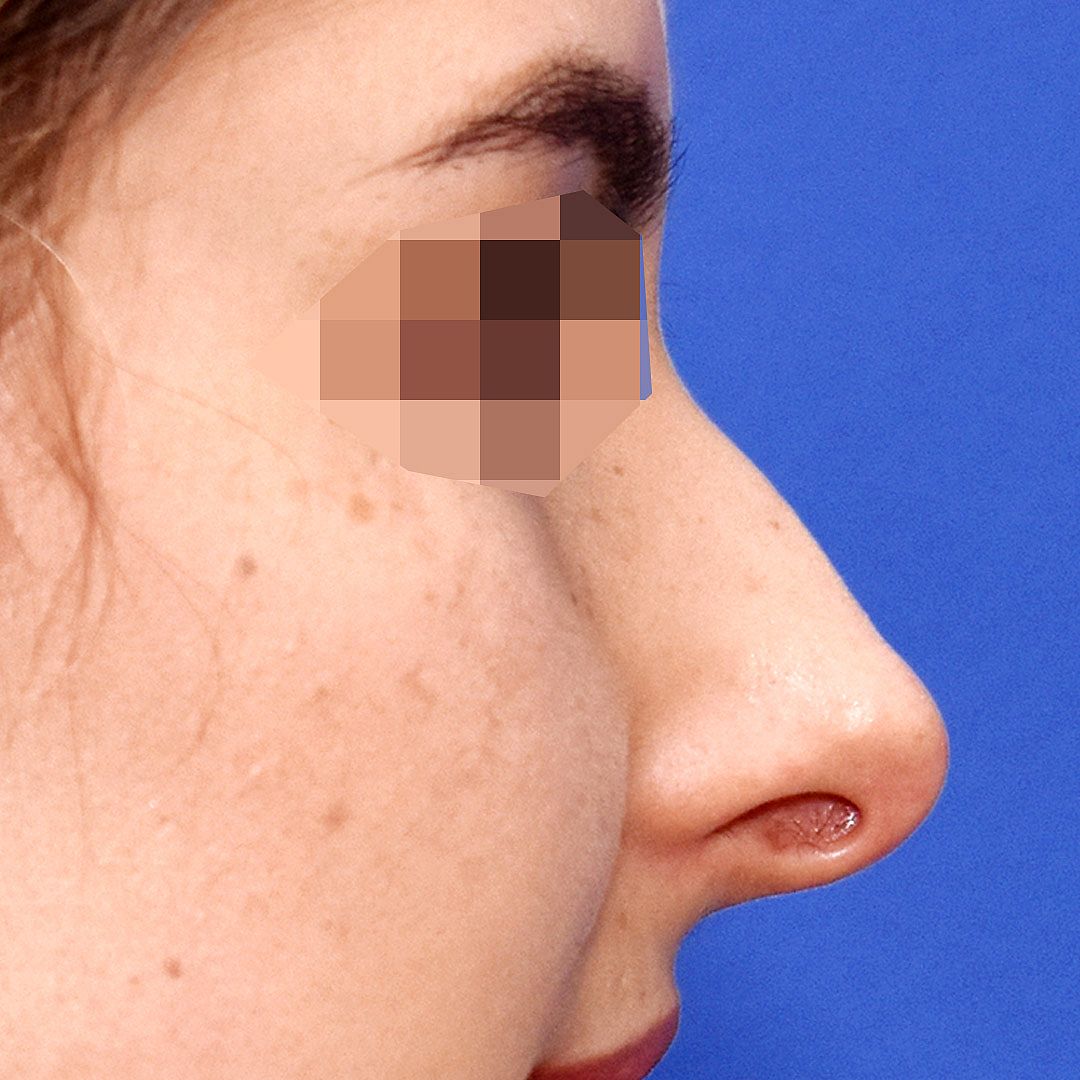
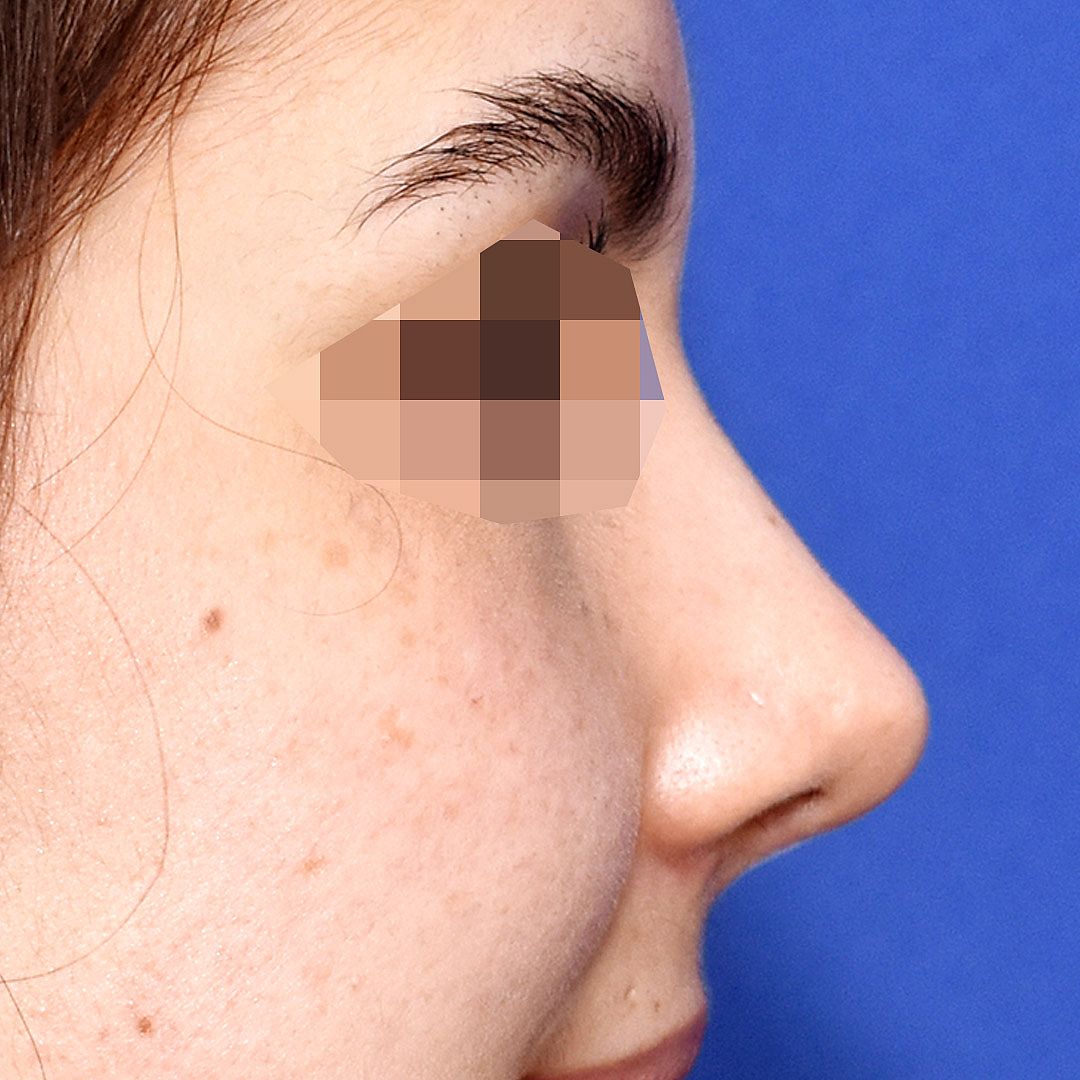
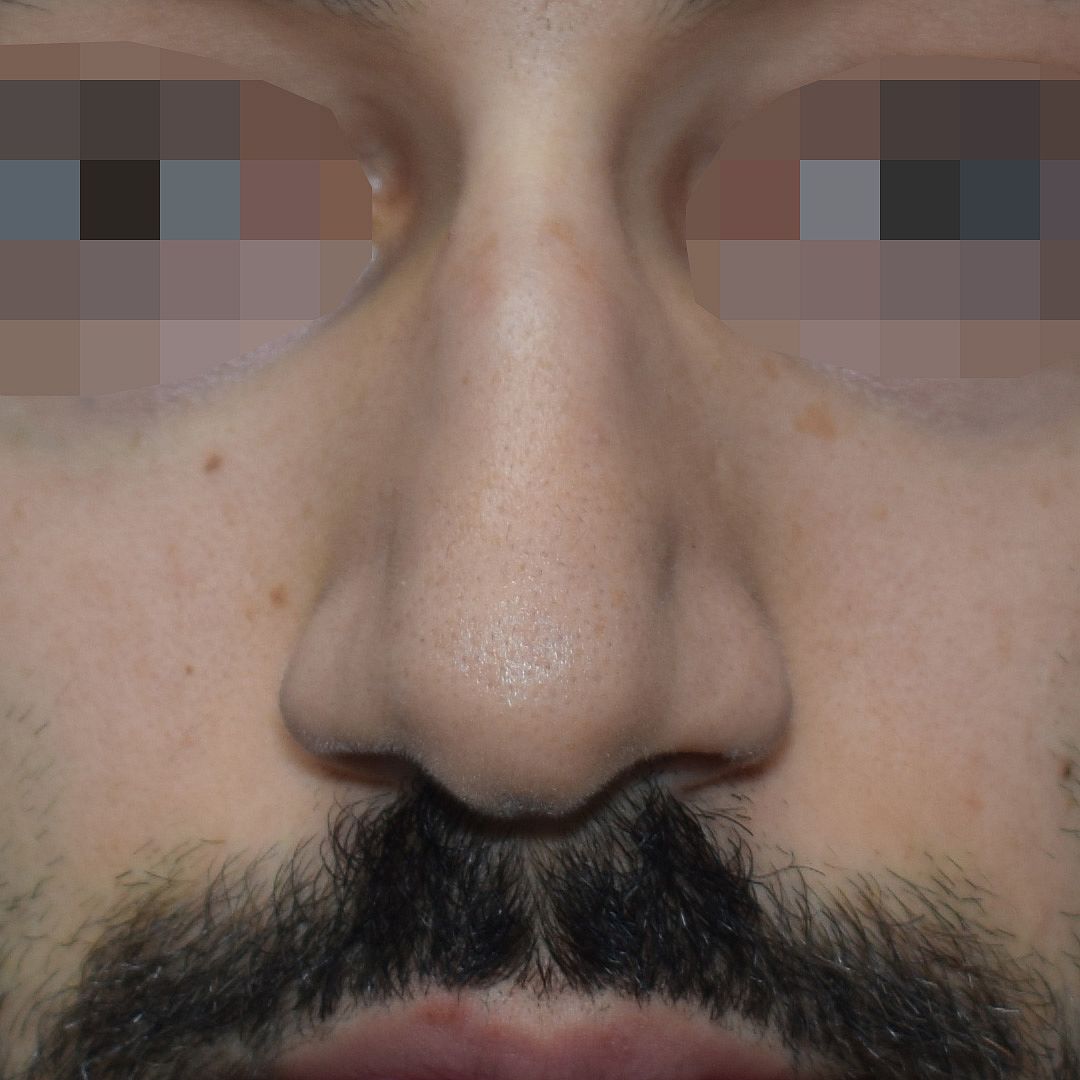
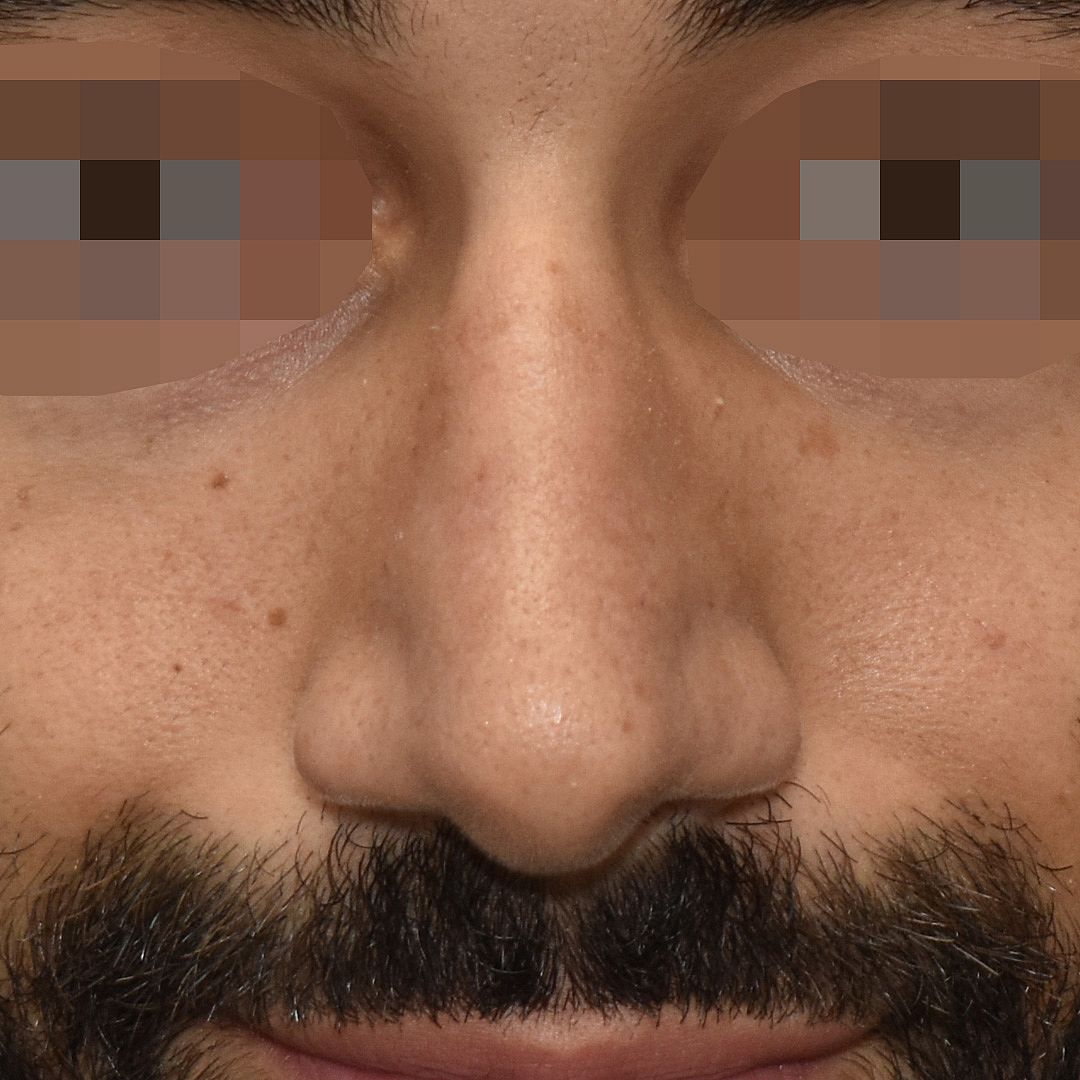
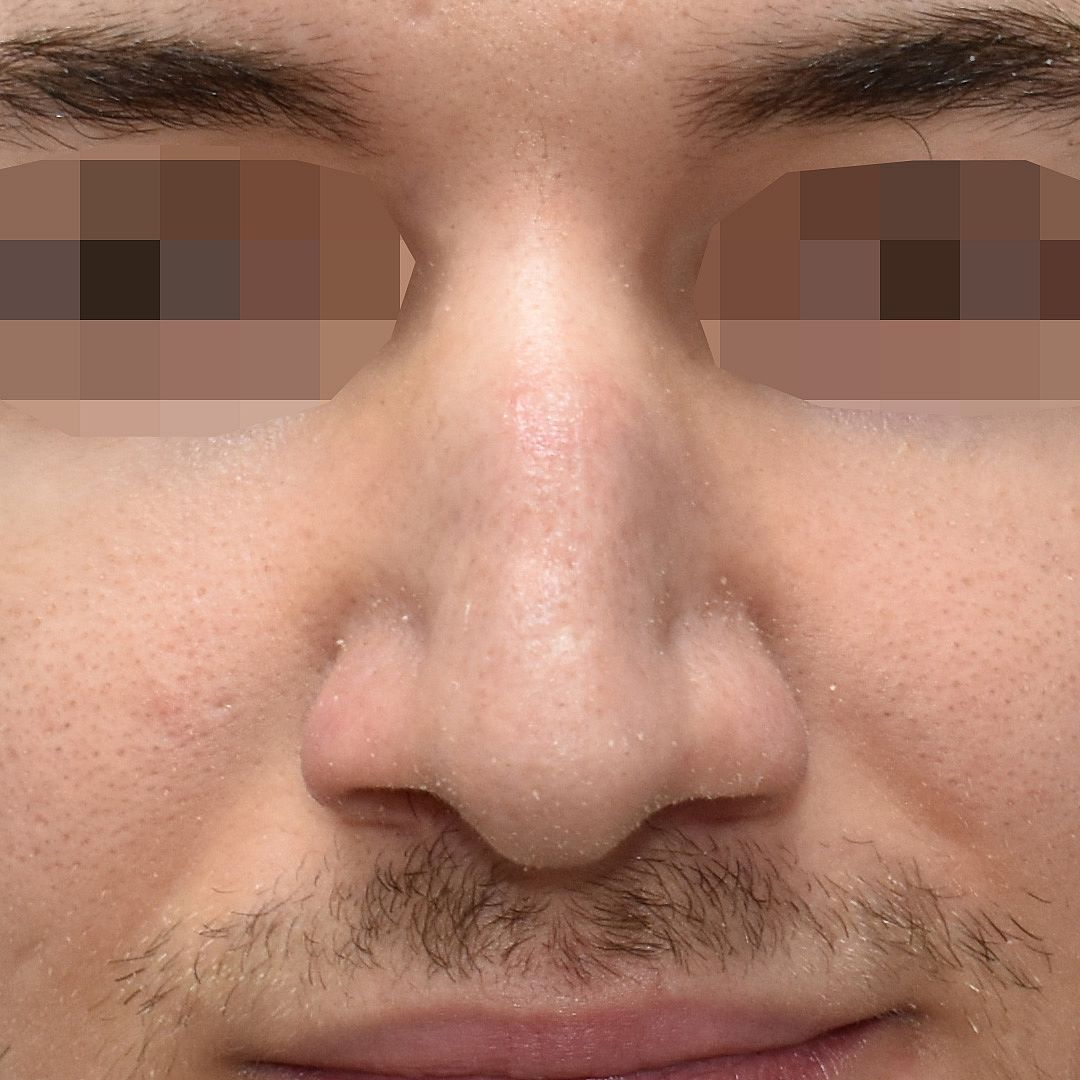
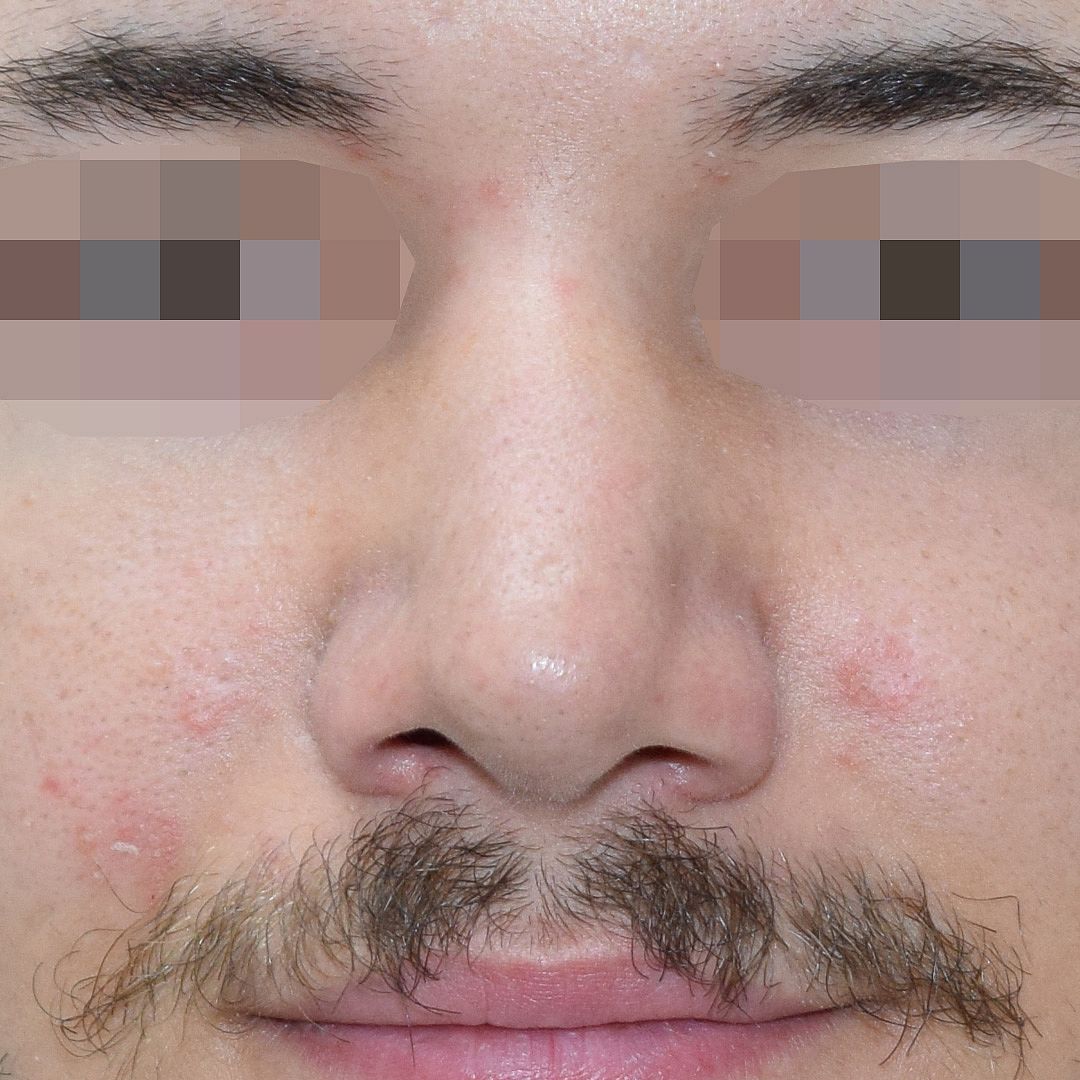
Three surgeons for your rhinoplasty
-
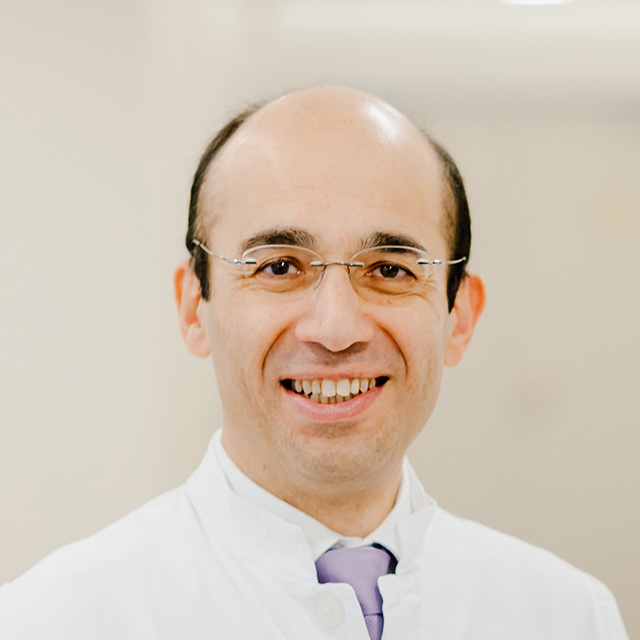
Univ. Doz. Dr Rafic Kuzbari
Specialist in Plastic, Aesthetic and Reconstructive Surgery
Over 30 years of experience; internationally regarded as an expert in revision procedures and complex rhinoplasty.
-
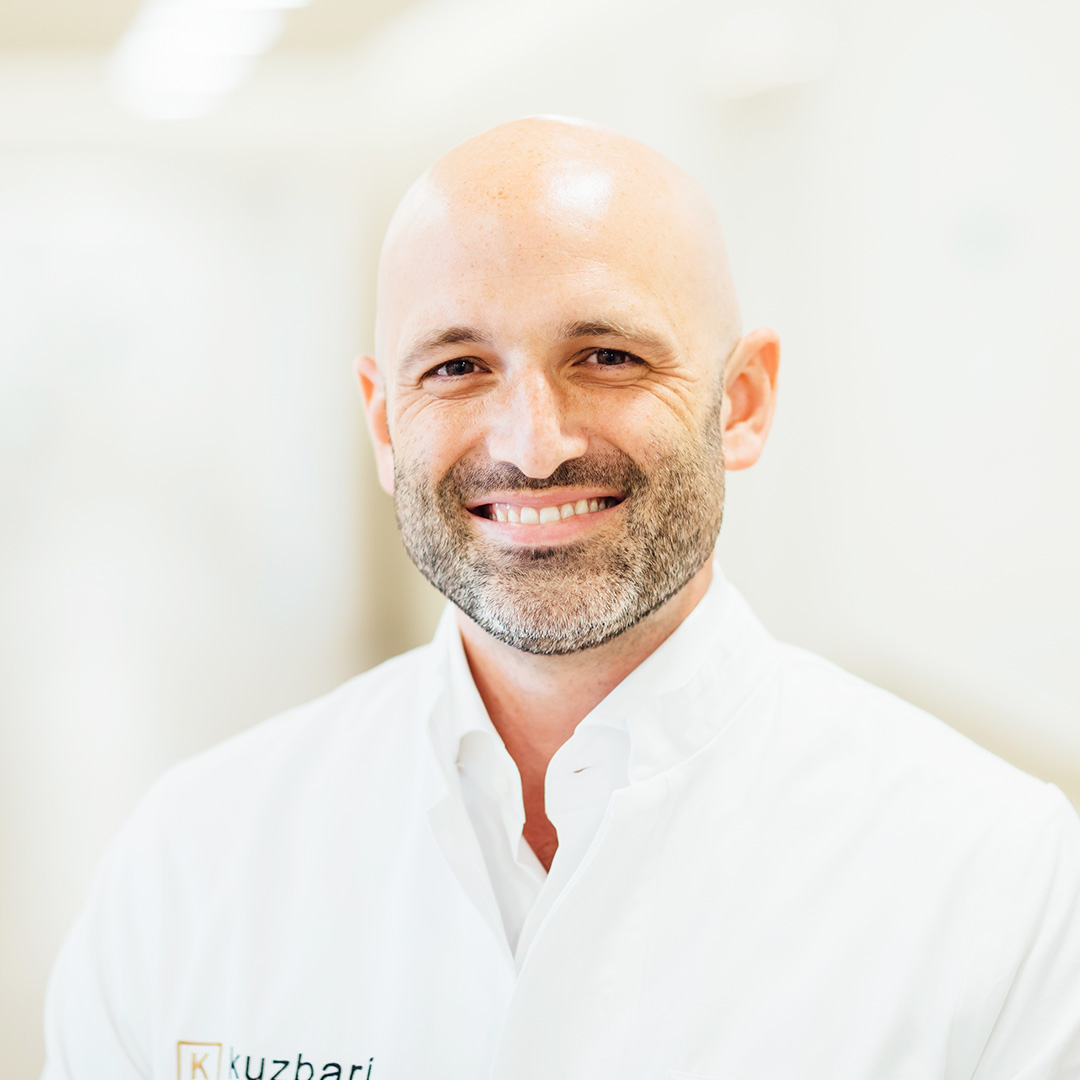
Dr Christoph Grill
Specialist in Plastic, Aesthetic and Reconstructive Surgery
A specialist in aesthetic and functional rhinoplasty with a focus on natural results.
-

DDr. Jessica Wittmann
Specialist in Oral and Maxillofacial Surgery
Combines the surgical and the aesthetic eye: precise nasal surgery with a sense for harmonious proportions.
Related to this topic
-
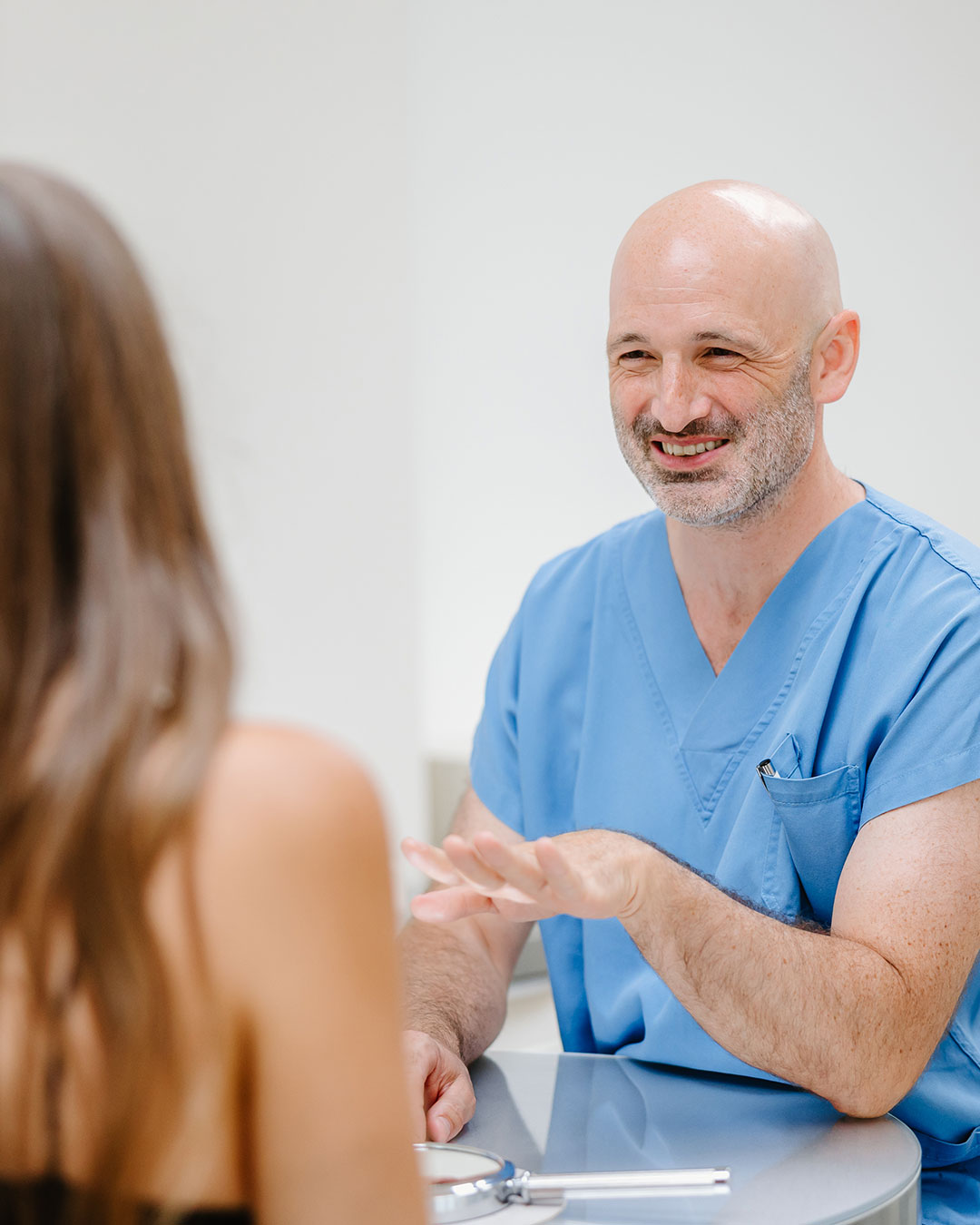
How rhinoplasty works
The whole path — from booking the appointment and the initial consultation through to the last check-up.
Learn more → -
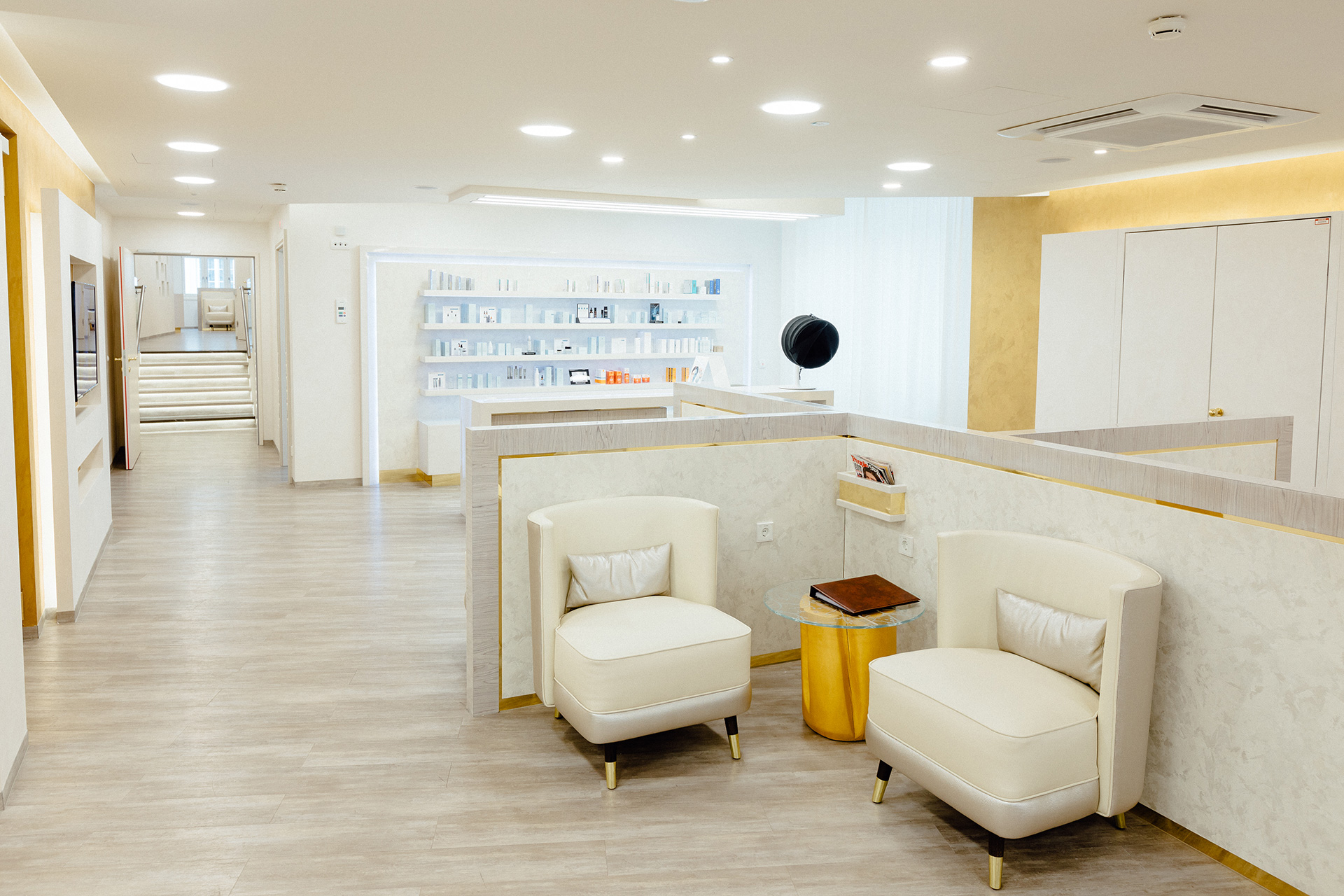
Our clinic
Three of our own operating theatres, our own patient rooms and a nursing team that stays overnight.
Learn more → -
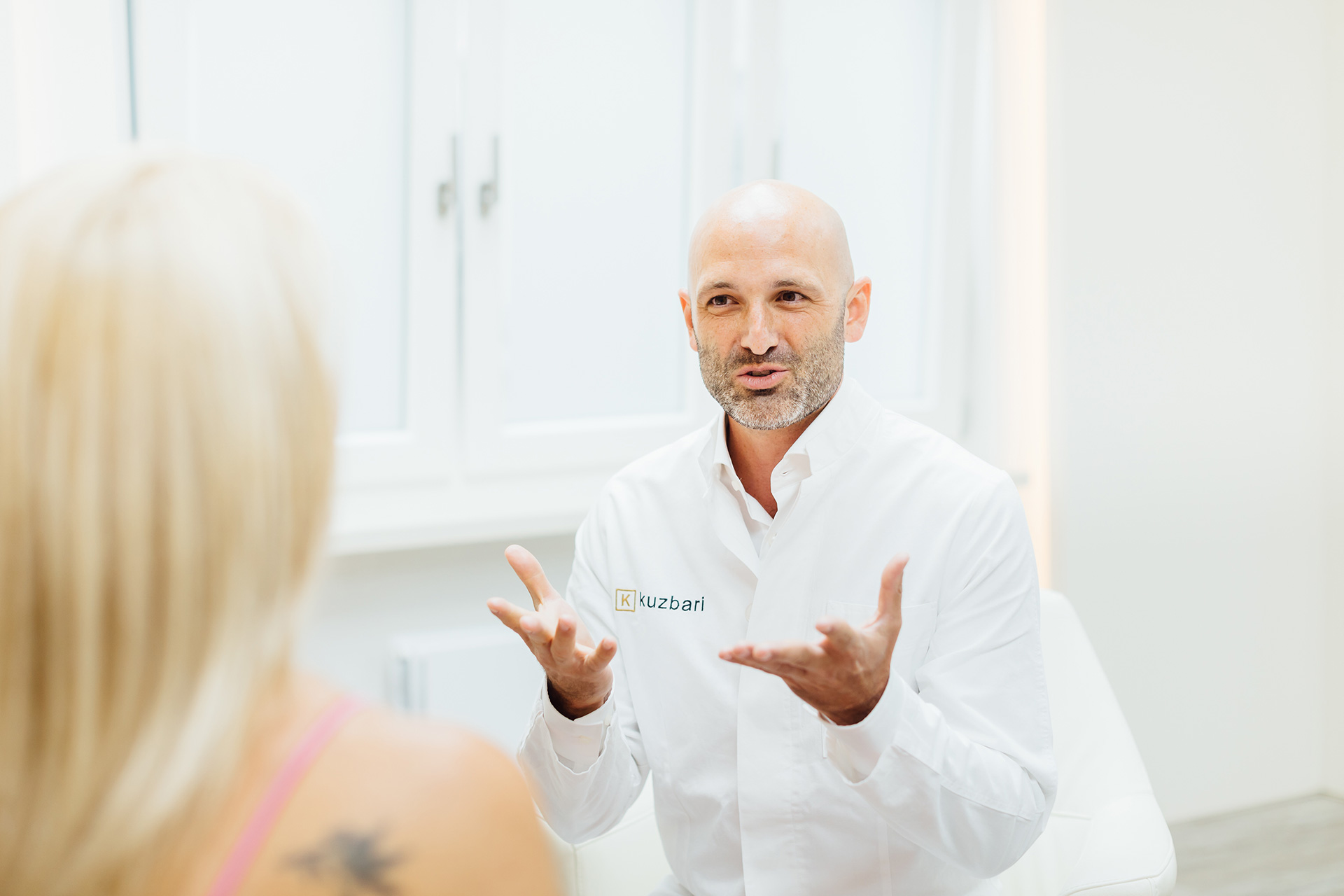
FAQ
Work, sport, swelling, glasses, scars, instalment payment — the answers at a glance.
Learn more →
Book your rhinoplasty consultation now
Our rhinoplasty specialists
Univ. Doz. Dr Rafic Kuzbari
Specialist in Plastic, Aesthetic and Reconstructive Surgery
Dr Christoph Grill
Specialist in Plastic, Aesthetic and Reconstructive Surgery
DDr. Jessica Wittmann
Specialist in Oral and Maxillofacial Surgery