Your path to the perfect nose.
At the Kuzbari Centre we have brought everything for your rhinoplasty together under one roof. On this page you can see the whole process from the consultation to the aftercare at a glance — all the details of your surgery day can be found under “The day of surgery”.
Your rhinoplasty in numbers
The key facts you need for your planning — everything else we discuss in person.
| Duration of surgery | 1 to 4 hours The findings determine the time frame, not the appointment schedule. |
|---|---|
| Stay | 1 night Your own room at the Kuzbari Centre, discharge the following day. |
| Fit for work | after 3 to 7 days For desk work and most everyday tasks. |
| Presentable again | after 1 to 3 weeks As soon as the nasal splint and dressings have been removed. |
| Final result | after 6 to 12 months The shape shows immediately, the final refinement takes time. |
| Costs | ab 9.350 € All appointments before and after the operation included. |
One to four hours — and the findings decide.
A rhinoplasty takes one to four hours with us. This range is deliberate: we operate in our own operating theatres and therefore without time pressure — for as long as it takes until every detail is right. How long a procedure takes is determined by the findings, not by the appointment schedule.
In concrete terms: a nasal tip that is lifted by just a few millimetres and stabilised with cartilage is done in less time than a nasal bridge that has to be straightened, a deviated septum that has to be corrected and an internal nasal valve that has to be opened at the same time. How much of this applies to you is something we know after the examination in the initial consultation — and we tell you there.
The time frame is therefore already set out in your surgical plan before the operation. If it turns out during the procedure that one step needs more care, we take that time. There is no other operation waiting to start.
Rhinoplasty — from the first consultation to the aftercare
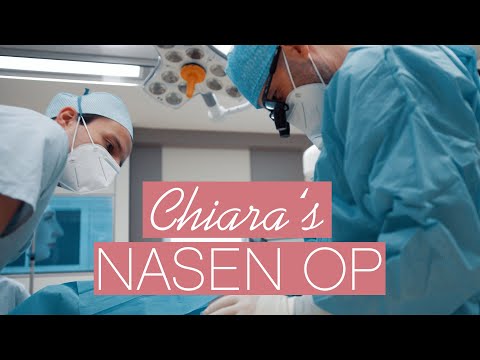
In the following video Dr Grill takes you step by step through the course of rhinoplasty at the Kuzbari Centre Vienna. Nose surgery has to go perfectly — which is why we take over an hour of time for you at the very first consultation.
Your path to the perfect nose
From the first consultation to the finished result — step by step, transparent and without surprises.
-
 Step 1
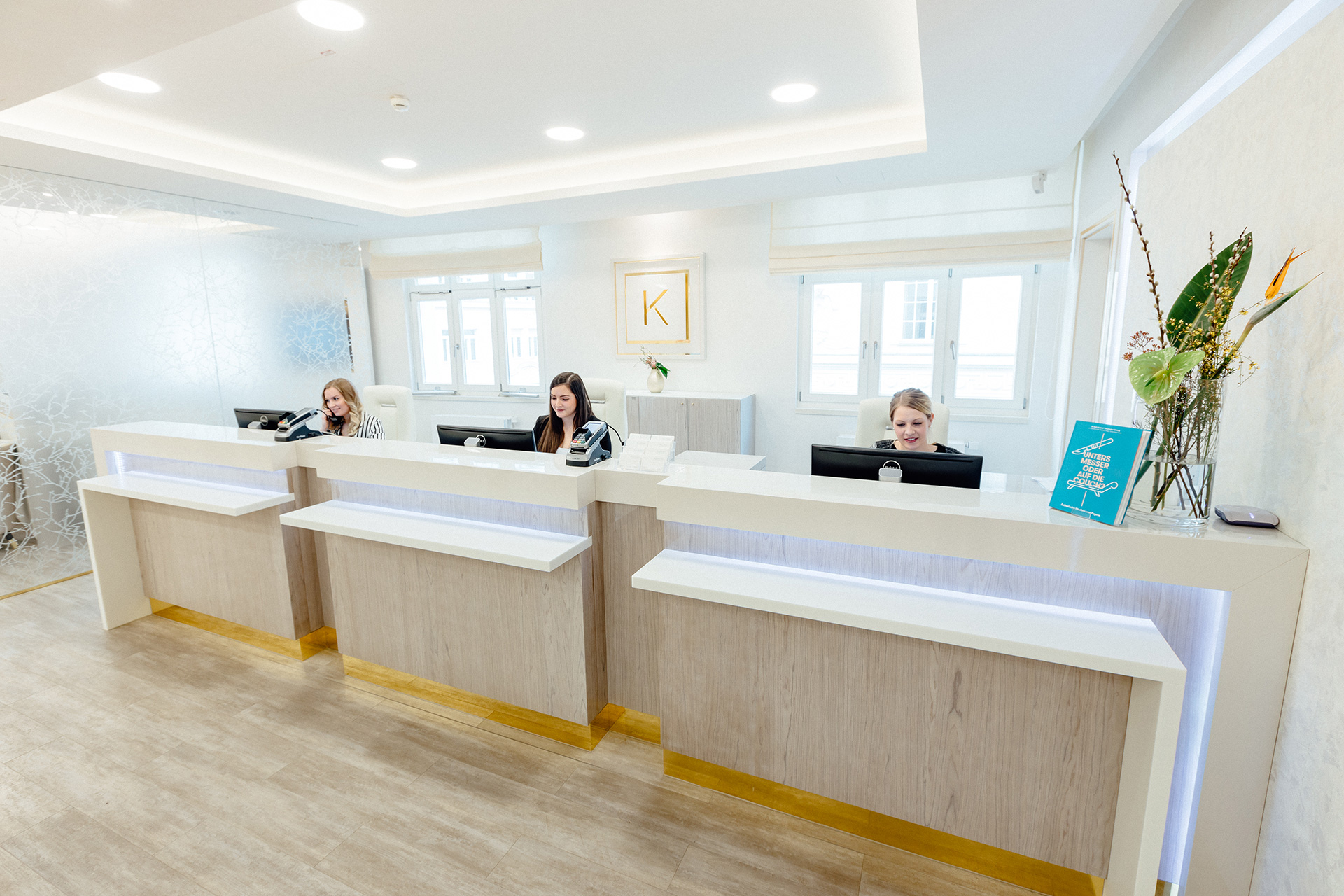
Arranging an appointment
Whether around the clock through our online booking or by phone — an appointment with us is found quickly and easily. The first step to the perfect nose.
-
Step 2
The first consultation
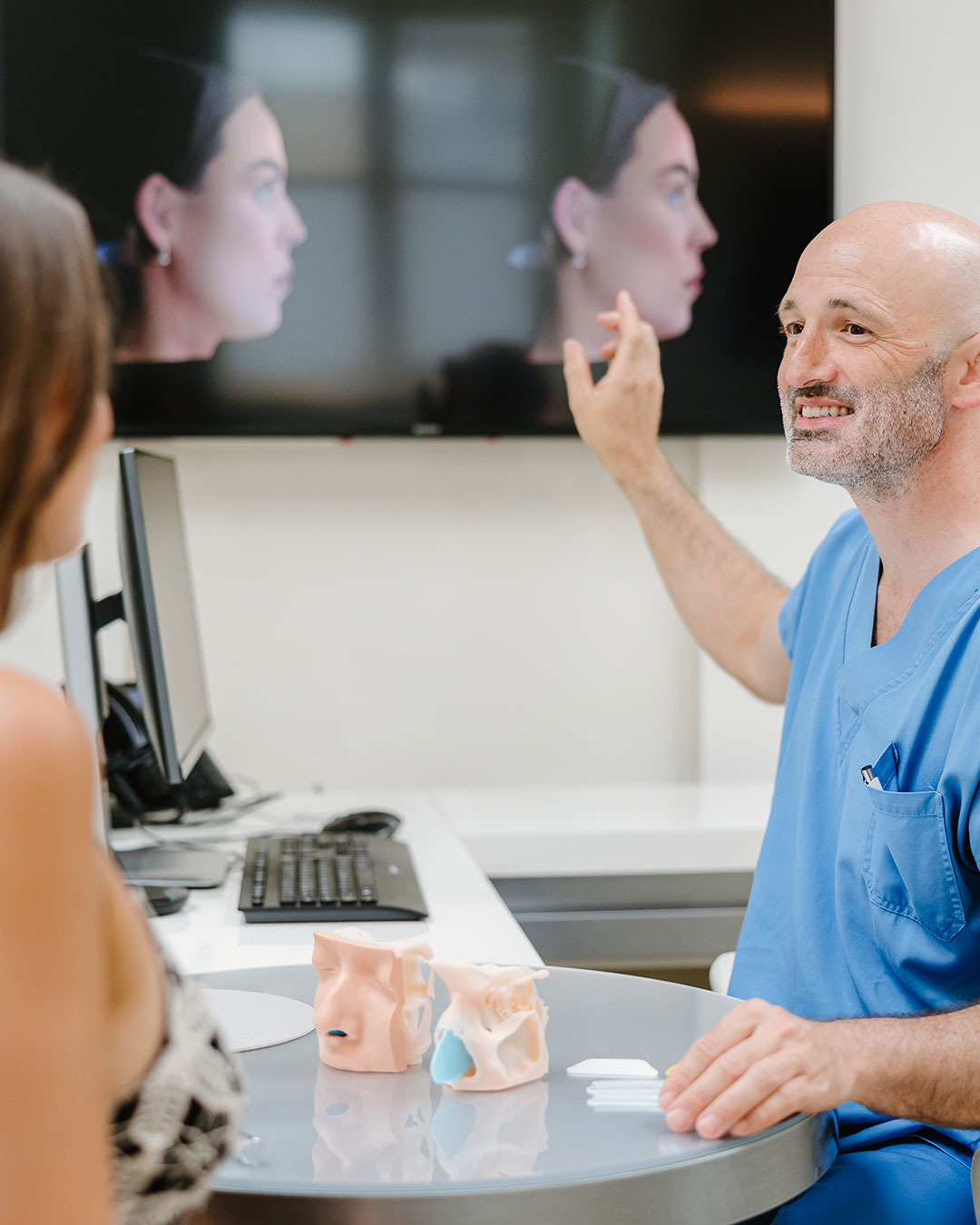
A great deal happens in the no-obligation first consultation. We get to know each other and answer all your questions. With our Vectra 3D technology we produce a 3D simulation of your current nose and of your future perfect nose — and much more.
Two routes, one goal
In the consultation we establish what your nose needs — the shape, the function or both.
Whichever route it is — from here on we go on together. Combining both corrections in a single procedure is also possible.
-
 Step 3
Safety check
We make sure you are optimally prepared for your procedure and draw up your precise surgical plan with the greatest care. For that we discuss your blood count, any pre-existing conditions and your medication — blood thinners in particular — as well as your smoking. You also receive all the instructions for preparing: you come to the operation with an empty stomach and arrange someone to accompany you home.
-
 Step 4
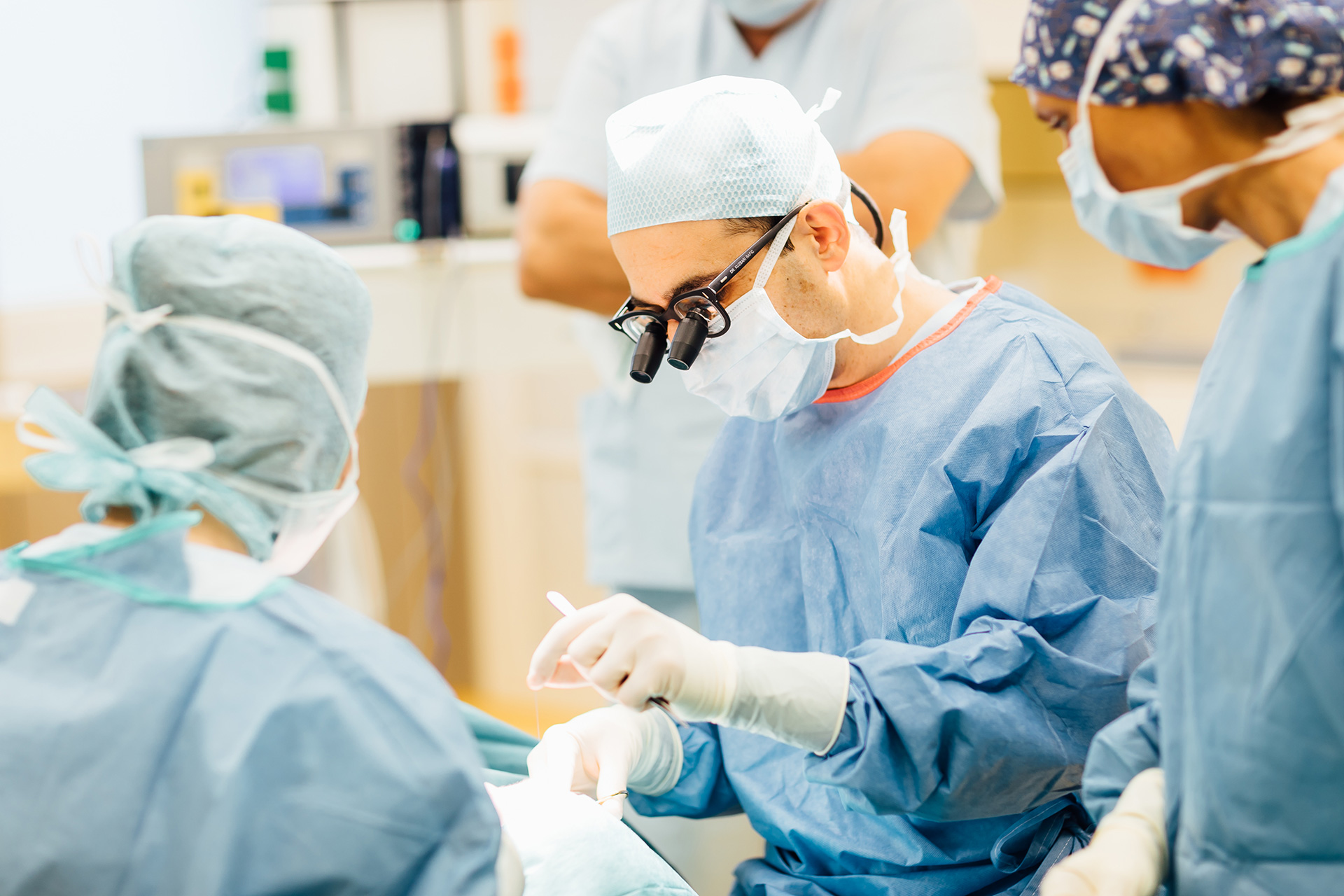
Nose surgery
We carry out your nose surgery in the high-tech operating theatres at the Kuzbari Centre — and you can go home again the very next morning. Pain is normally mild and easy to treat. Details of the day of your nose surgery can be found under “The day of surgery”.
-
 Step 5
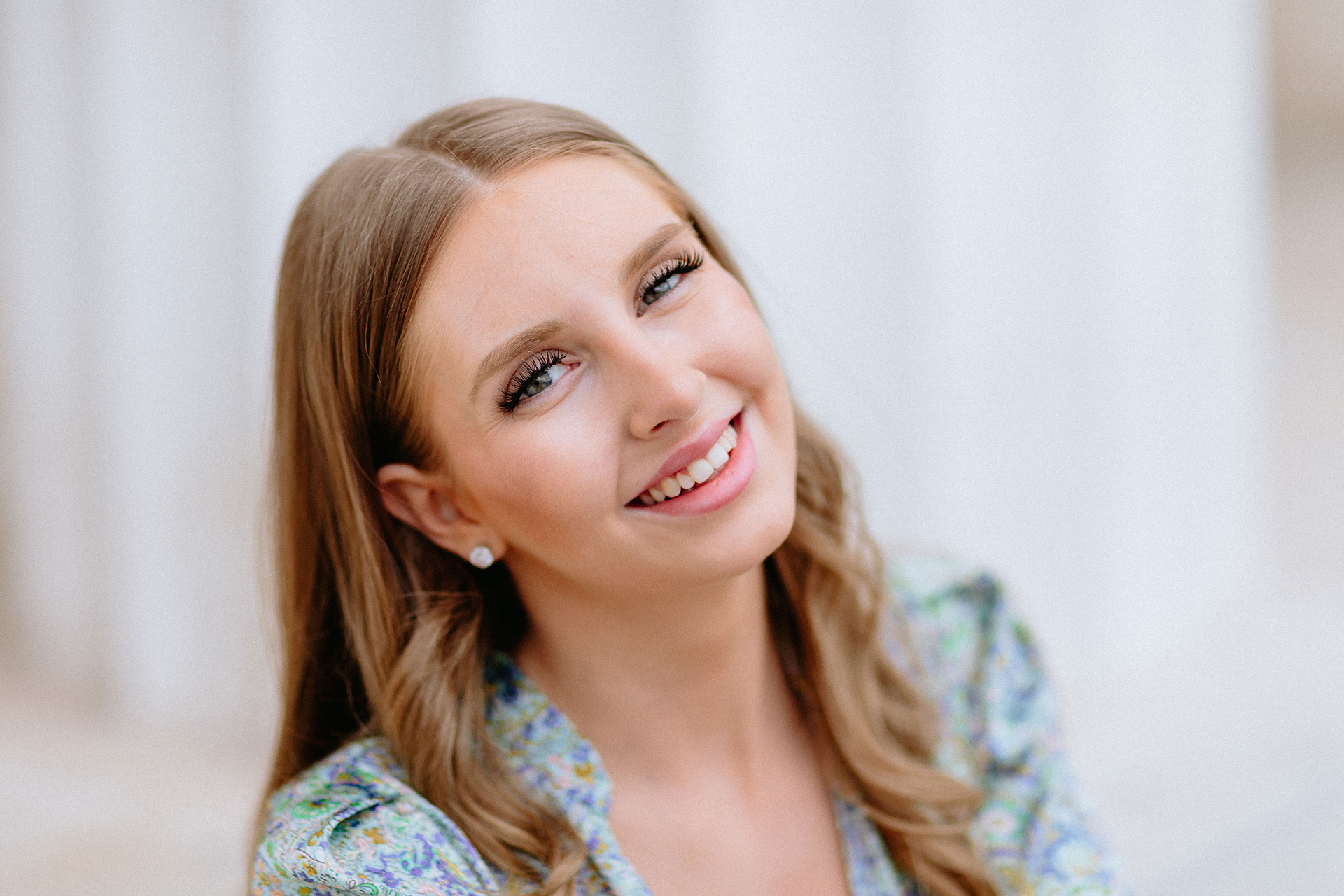
Aftercare
We accompany you reliably through the aftercare: we are reachable for you 24 hours a day — and all follow-up appointments are of course included. Immediately after the operation you are still swollen, but a short time later your new profile emerges step by step.
Congratulations — your perfect nose!
Your new profile develops into its final result over the following months — naturally and in harmony with your face.
Book a consultation appointment now
Tip: All the details of your surgery day can be found under “The day of surgery”.
What happens in that one hour of initial consultation.
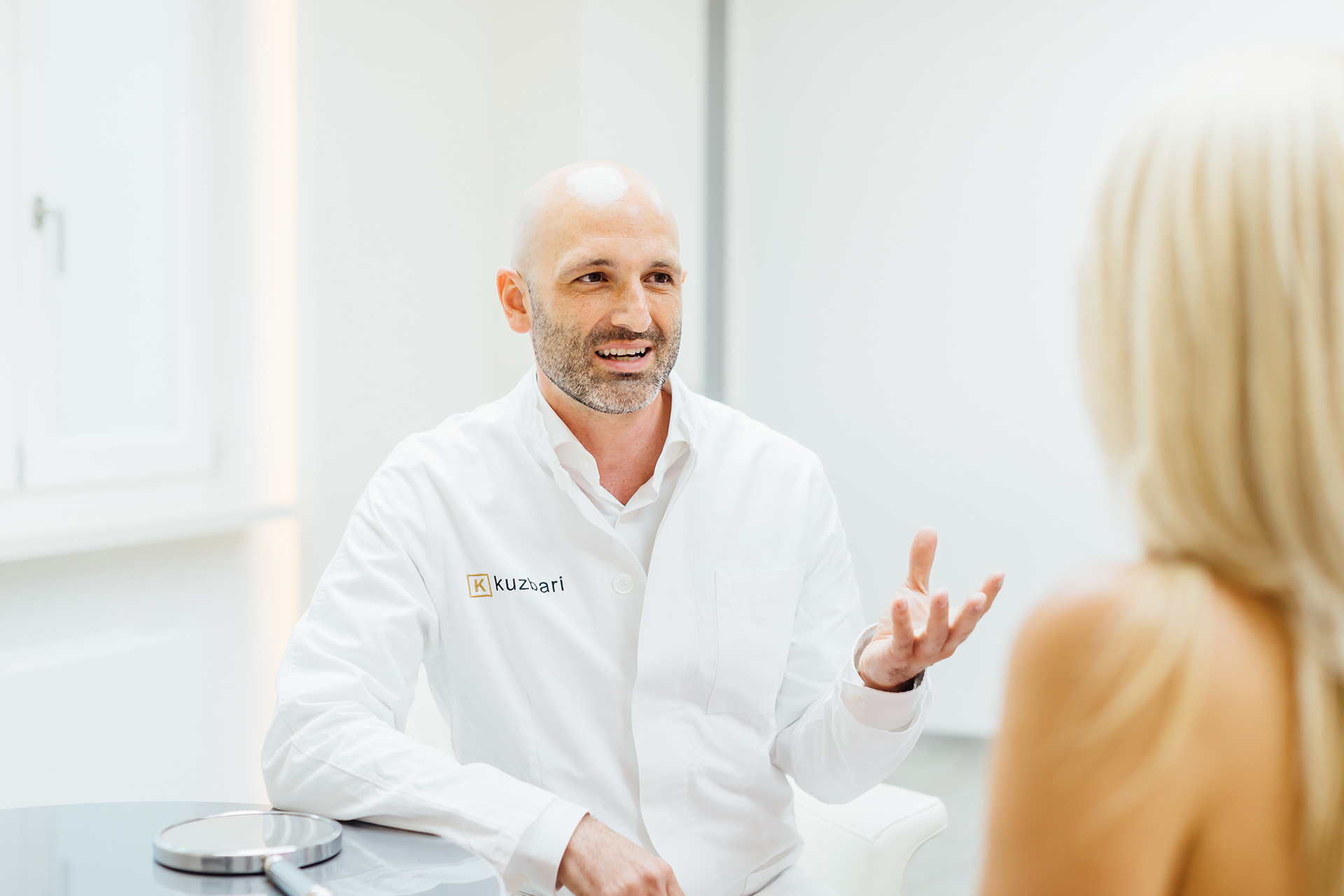
The initial consultation is not a sales pitch. It is the appointment at which we decide whether an operation makes sense at all — and if so, which one. That is why it always follows the same structure with us:
- We listen: what bothers you about your nose, since when, in which situations?
- Examination from the outside and the inside, always including nasal breathing
- Assessment of skin thickness, nasal bridge, nasal tip and septum
- Vectra 3D simulation of your nose today and of your possible future nose
- Before-and-after photographs of comparable starting situations
- Explanation of the suitable technique and of the surgical steps, one by one
- Costs, dates and instalment payment — in writing and easy to follow
- Time to think it over: nobody is pushed into an operation
Many patients go home afterwards with a clear idea and get back in touch weeks later. That, too, is a good outcome.
Why many people wait years
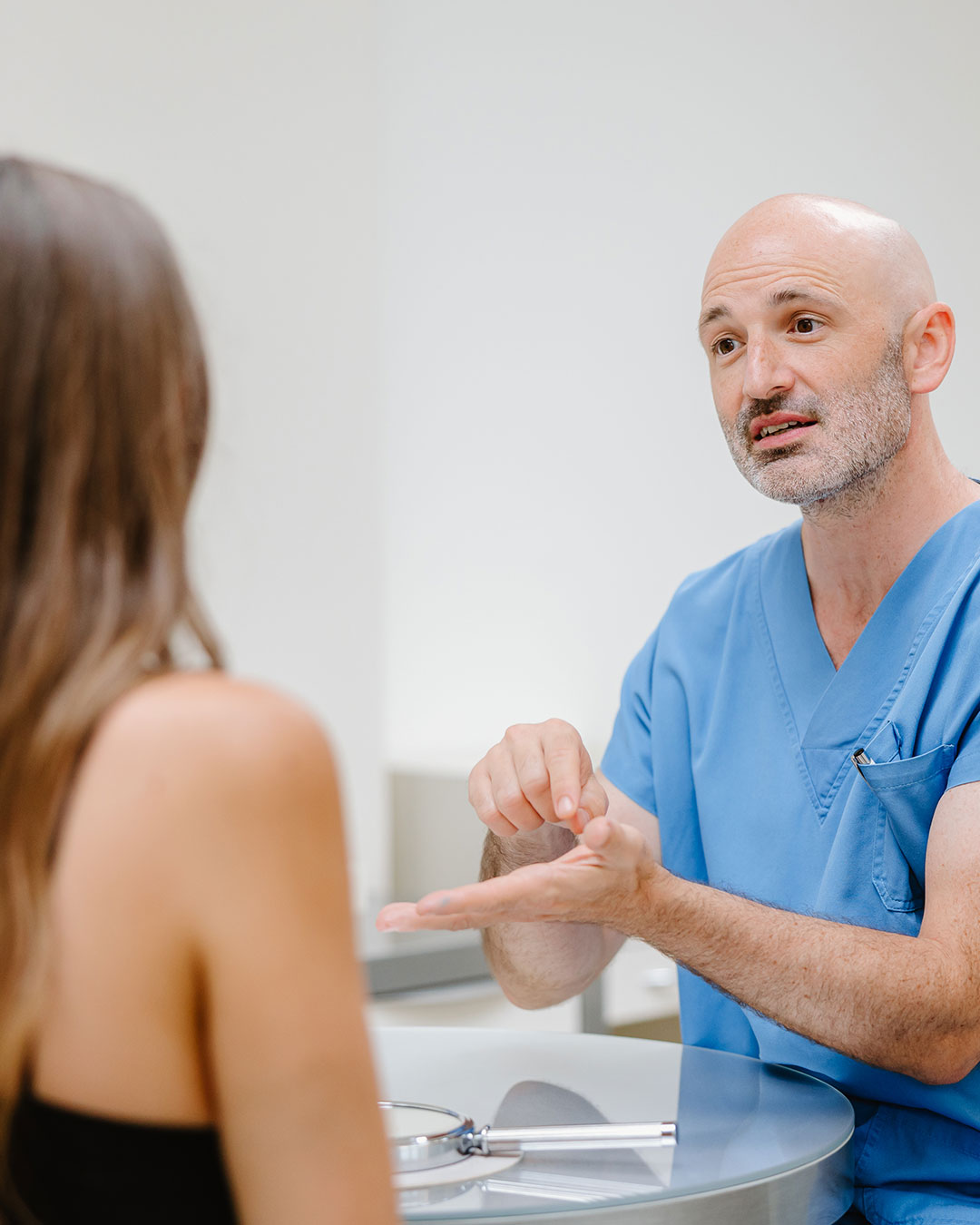
Why do years usually pass between the first thought and the nose operation? Dr Christoph Grill explains why the subject often begins in puberty, which reasons delay it — and why he becomes wary when someone wants their nose operated on “so that life gets better”.

The 3D simulation shows three perspectives.
Words such as “a little smaller” or “a bit straighter” mean something different to every person. That is why the initial consultation includes a three-dimensional scan of your face taken with Vectra 3D technology, on which we show the individual surgical steps.
Our 3D simulation shows your future nose not only in profile, but also from the front and from below. So you see your possible result from exactly the angles from which other people see you every day — and we talk about the same image before the operation.
The simulation is an approximation, not a guarantee: how your tissue heals and swells cannot be predicted exactly. But it gives you and us the same basis for planning — and during the operation the simulation images are on hand in the theatre.
What happens in the operating theatre.
Your operation takes place in our own operating theatres — three state-of-the-art rooms equipped exclusively for aesthetic procedures. Anaesthesia, nursing and the recovery area belong to the same house and the same team. That is the reason we can take the time your findings require.
If the bony part of the nose has to be altered, we work with the piezotome, an ultrasound instrument that cuts and smooths bone while leaving soft tissue, mucous membrane and vessels untouched. We use it as standard in every nose operation. An honest classification matters to us: the piezotome is not a rhinoplasty method in its own right, but a tool for one step.
We stabilise the nasal tip using modern cartilage-supported techniques. This significantly reduces the risk of drooping of the nasal tip over the years. The cartilage used comes from your own body — usually from the septum itself.
At the end of the operation we apply an external nasal splint. Instead of the classic, uncomfortable packing we use gentle thin splints that make breathing easier and can be removed comfortably.
Is there such a thing as the perfect nose?
Dr Christoph Grill explains what makes your personal perfect nose.

Nose surgery: the procedure, the pain and the healing explained honestly
How does a nose operation work — and how bad is it really? Dr Christoph Grill takes you from the first consultation through the day of surgery to the healing: why the pain is more “like a week with a cold” and when you see the final result.

„From beginning to end, very friendly and above all understandable care from Dr Grill and from the whole team.“
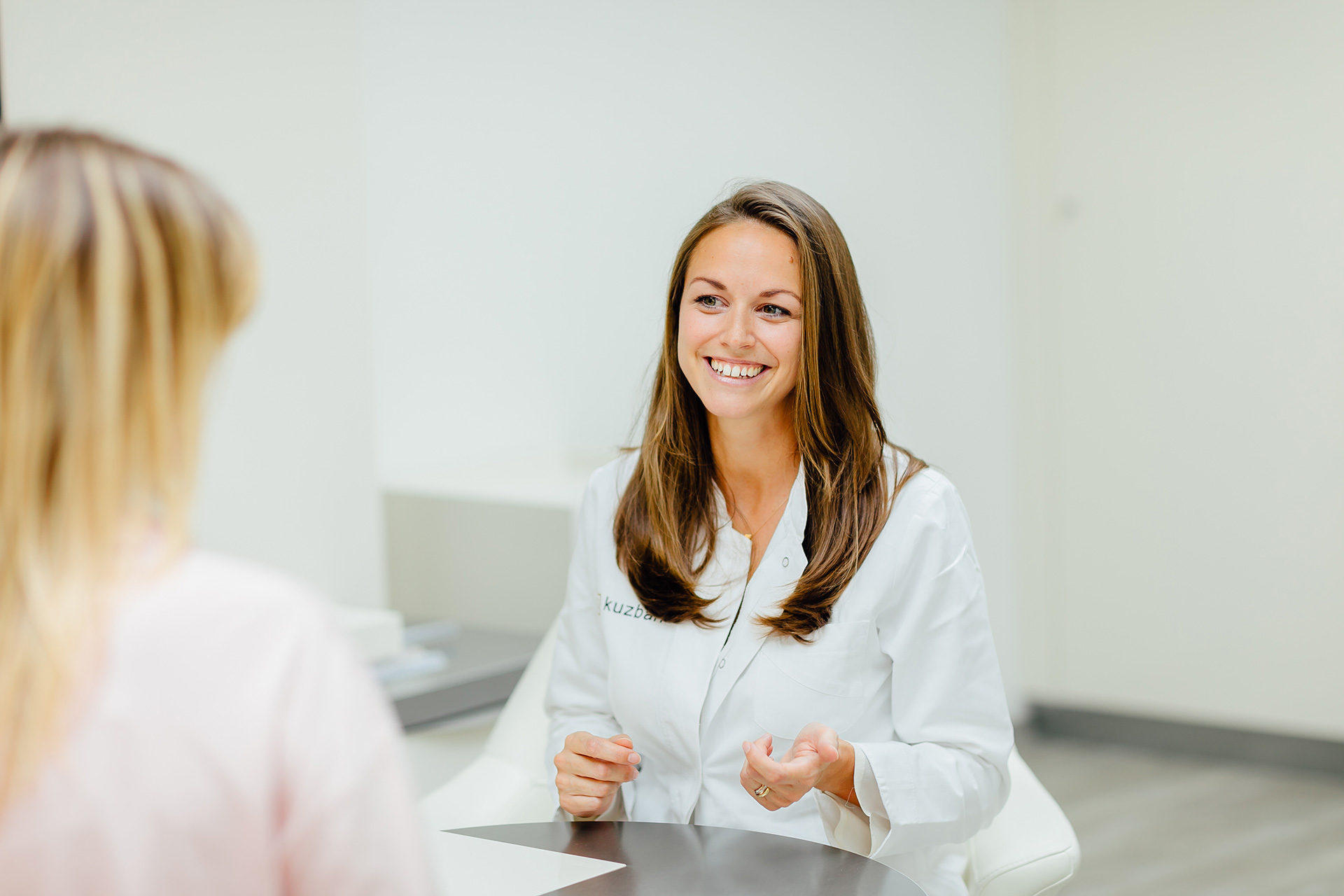
DDr. Jessica Wittmann — the surgical and the aesthetic eye.
As a specialist in Oral and Maxillofacial Surgery, DDr. Jessica Wittmann combines a deep understanding of the bony and soft structures of the face with a fine feel for harmonious proportions. Her focus: aesthetic and functional rhinoplasty.
“What I set out to do is create results that do not look artificial — but that underline natural beauty and preserve the personality.”
— DDr. Jessica Wittmann
Checklist
How to recognise a professional consultation.
The first consultation is the most important phase of a rhinoplasty — more important than the procedure itself. These points should be fulfilled at the end of a good consultation, with us as with any other doctor:
- Did the doctor take enough time during the first consultation?
- Was I able to articulate my wishes and expectations precisely?
- Were possible treatment alternatives explained?
- Did the doctor understand and document my wishes?
- Was I informed about the possibilities, limits and risks of the operation?
- Was I told about the nature and duration of the healing process?
- Do I know where I will be operated on and what quality standard the operating theatre meets?
- Was I told whether the consulting doctor will also perform the operation personally?
- Do I know which form of anaesthesia is planned and whether an anaesthetist will be present?
- Was I informed how I will feel and look after the operation (swelling, bruising, scars)?
- Do I know how long the social downtime will last?
- Was a detailed, complete cost estimate drawn up?
- Was I told to what extent aftercare will be provided?
Adapted from Univ. Doz. Dr Rafic Kuzbari, “Under the knife or on the couch?”.
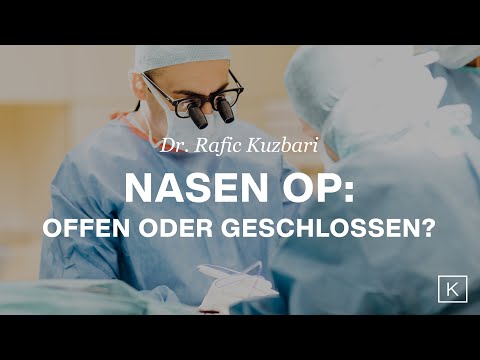
Open or closed nose surgery?
Univ. Doz. Dr Rafic Kuzbari explains the differences between the two surgical techniques and their advantages and disadvantages.
Three surgeons for your rhinoplasty
-
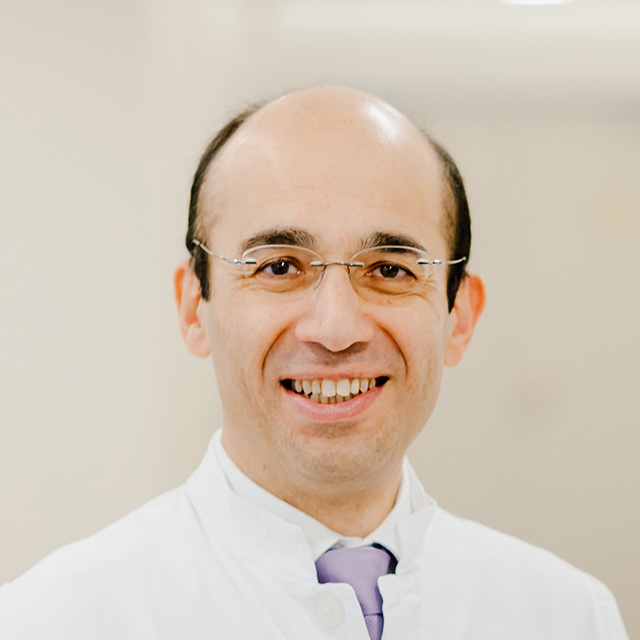
Univ. Doz. Dr Rafic Kuzbari
Specialist in Plastic, Aesthetic and Reconstructive Surgery
Over 30 years of experience; internationally regarded as an expert in revision procedures and complex rhinoplasty.
-
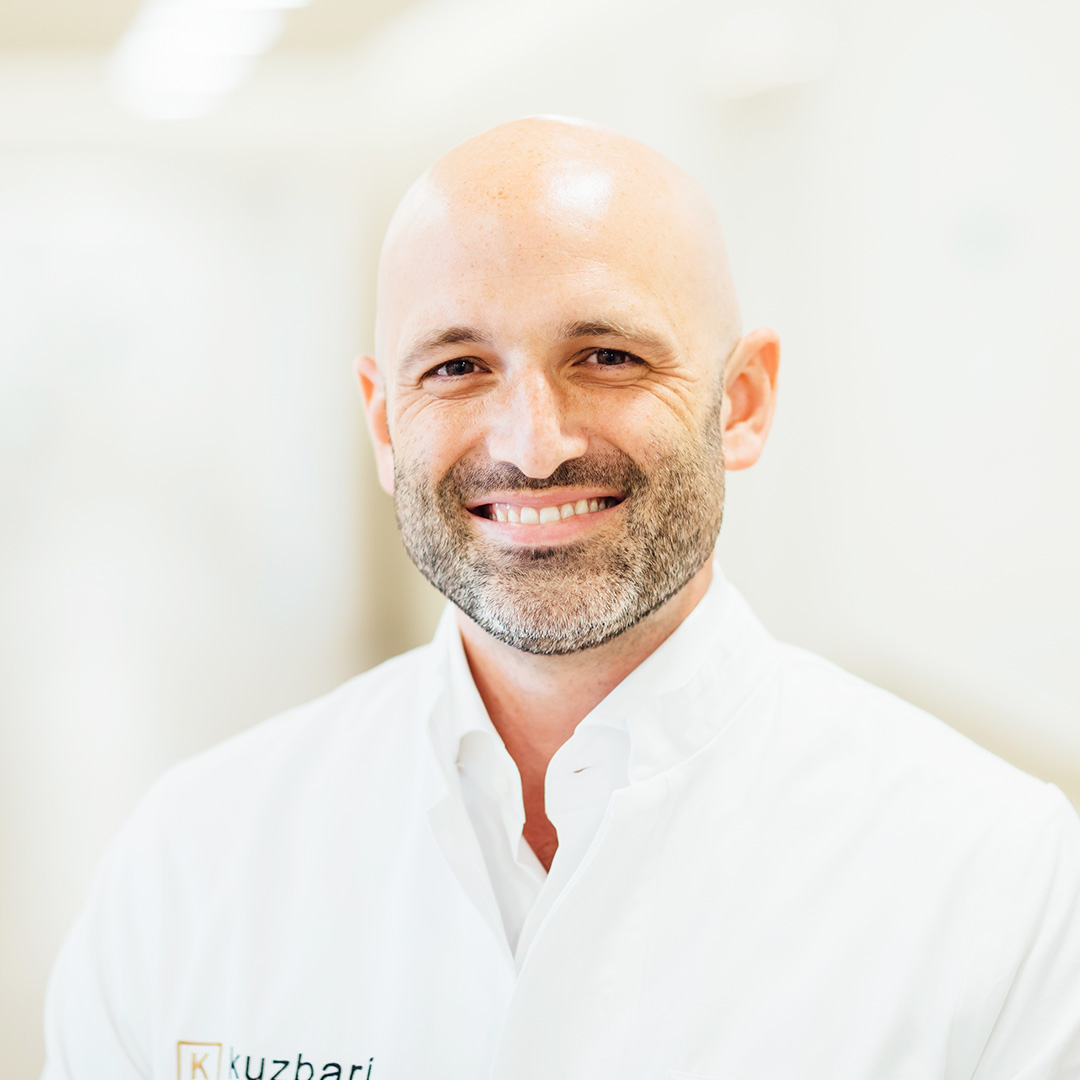
Dr Christoph Grill
Specialist in Plastic, Aesthetic and Reconstructive Surgery
A specialist in aesthetic and functional rhinoplasty with a focus on natural results.
-

DDr. Jessica Wittmann
Specialist in Oral and Maxillofacial Surgery
Combines the surgical and the aesthetic eye: precise nasal surgery with a sense for harmonious proportions.
The weeks afterwards — what happens when.
Healing happens in stages. This overview helps with planning holidays, appointments and training breaks — the exact days we discuss individually.
-
Day 1 to 7
Swelling and bruising peak around the third day and then subside quickly. Elevating, cooling and taking it easy help noticeably. Most people are fit for work after 3 to 7 days.
-
Week 1 to 3
The nasal splint and the thin internal splints are removed at the first check-up. From that point on most patients are presentable again — the nose is still slightly swollen, but no longer conspicuous.
-
Week 4 to 6
Endurance sport is possible again after four weeks, strength training after six. Glasses should not rest on the freshly operated nasal bridge during the first weeks — we show you how to avoid that.
-
Month 6 to 12
The last residual swelling disappears and the contours of the nasal bridge and nasal tip become finally visible. With thicker skin this step takes longer — which is why we raise the subject of skin thickness as early as the consultation.
What patients most often ask us about the process
How long does a rhinoplasty at the Kuzbari Centre take?
A rhinoplasty takes one to four hours with us. This range is deliberate: we operate in our own operating theatres and therefore without time pressure — for as long as it takes until every detail is right. How long a procedure takes is determined by the findings, not by the appointment schedule.
How many appointments are there between consultation and operation?
As a rule two: the initial consultation with 3D simulation and the safety check shortly before the procedure. Between the two there is as much time as you need — we do not push anyone towards a decision.
How long does the initial consultation take?
We take more than an hour. In that hour we examine the nose from the outside and the inside, assess skin thickness, nasal bridge, nasal tip and septum, create the Vectra 3D simulation, show before-and-after photographs of comparable starting situations and explain the possible surgical steps one by one.
Do I see my possible result before the operation?
Yes. Our 3D simulation shows your future nose not only in profile, but also from the front and from below. So you see your possible result from exactly the angles from which other people see you every day — and we talk about the same image before the operation.
How many check-ups do I have after the operation?
As many as your healing requires. The first appointment to remove the splint and the internal splints is arranged before the operation; after that we see each other at increasing intervals until the final result. All check-ups are included in the price.
Who will operate on me — the doctor who advised me?
Yes. With us the same doctor advises, operates and looks after you. You know who will carry out your operation as early as booking.
Related to this topic
-
The day of surgery
The whole day of surgery — from arrival and anaesthesia to breakfast the next morning.
Learn more → -
3D simulation
Your possible new nose in profile, from the front and from below — already in the initial consultation.
Learn more → -
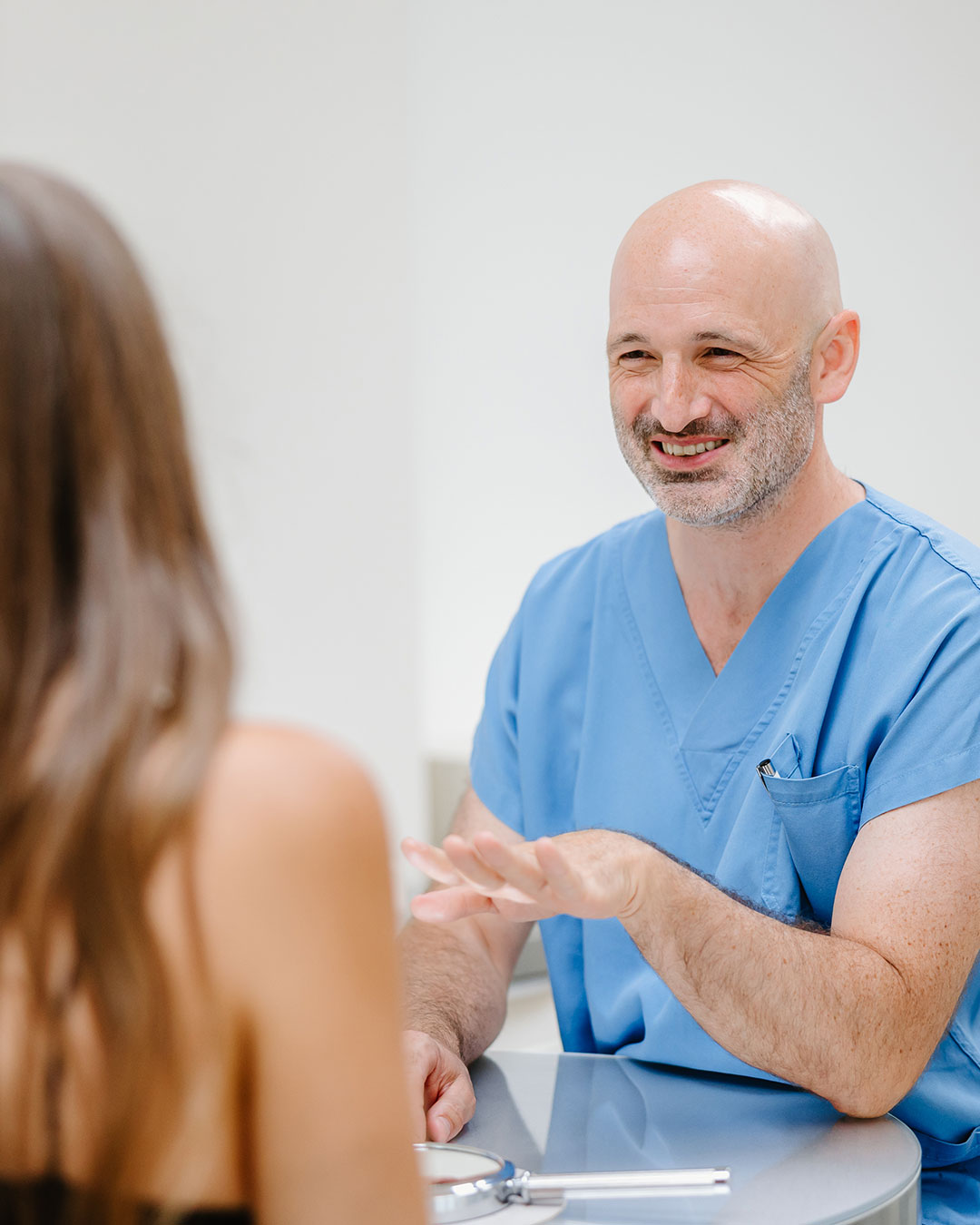
Costs & instalment payment
What a rhinoplasty costs, what is included and how instalment payment works.
Learn more →
At the end of your journey: the magic moment.
Click the magic wand — and see what rhinoplasty changes.
Book your rhinoplasty consultation now
Our rhinoplasty specialists
Univ. Doz. Dr Rafic Kuzbari
Specialist in Plastic, Aesthetic and Reconstructive Surgery
Dr Christoph Grill
Specialist in Plastic, Aesthetic and Reconstructive Surgery
DDr. Jessica Wittmann
Specialist in Oral and Maxillofacial Surgery