3D simulation for your rhinoplasty
Many people interested in rhinoplasty have a clear sense of what bothers them about their nose — be it a hump, a broad nasal tip or asymmetrical nostrils. But what does the desired shape actually look like in the face? And do you and your doctor have the same picture in mind?
The 3D simulation at a glance
| Technology | Vectra 3D |
|---|---|
| Perspectives | Profile, front and from below |
| Scan | In a few seconds several cameras capture the face simultaneously |
| Part of the initial consultation | Yes — not charged separately |
| The first consultation | More than an hour |
| In the operating theatre | The simulation images are on hand throughout the procedure |
| Cost of the rhinoplasty | From approx. €9,350 in total Payment in instalments over up to 5 years |
The same picture in mind.
Only once we have the same picture in mind can we achieve the best possible result together. That is exactly where the 3D simulation at the Kuzbari Centre comes in — a highly precise technology that not only makes your expectations visible but also creates an optimal basis for planning the treatment.
With the help of our Vectra 3D simulation system we create an exact three-dimensional model of your face. On that basis we can visualise different variants of the nasal shape — live and in real time. Together with you we shape your future profile so that it not only matches your wishes but also makes medical and aesthetic sense.
Profile, front — and from below.
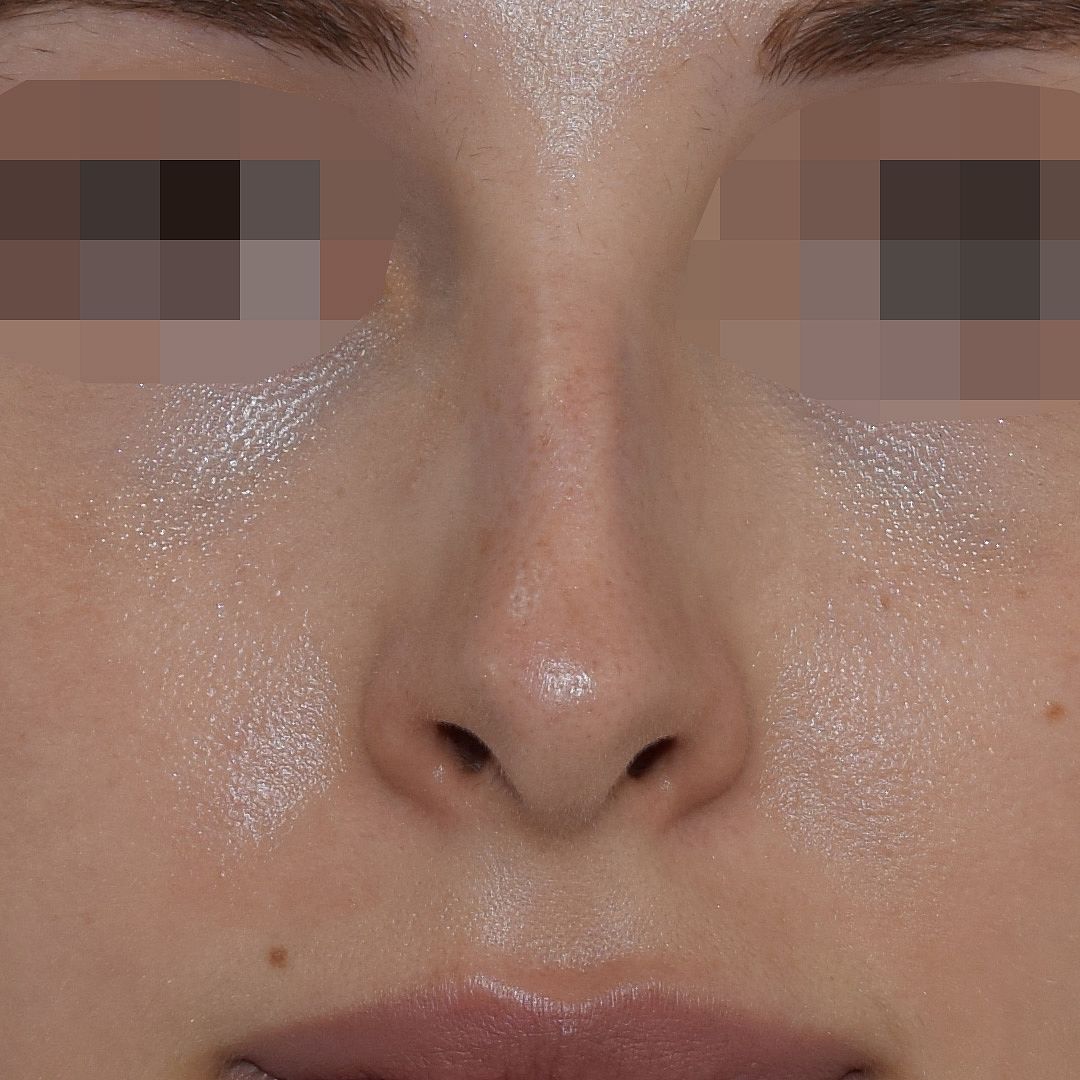
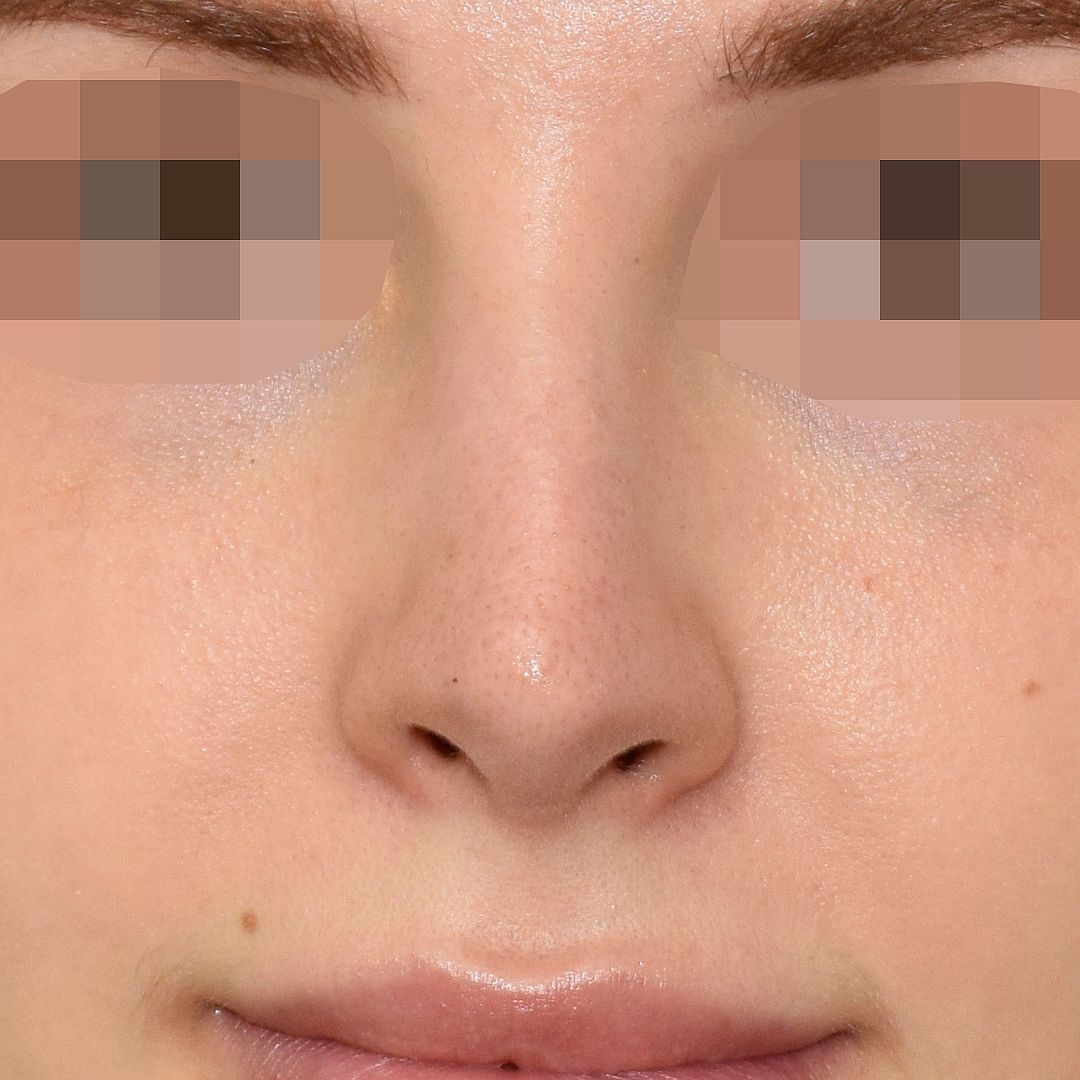
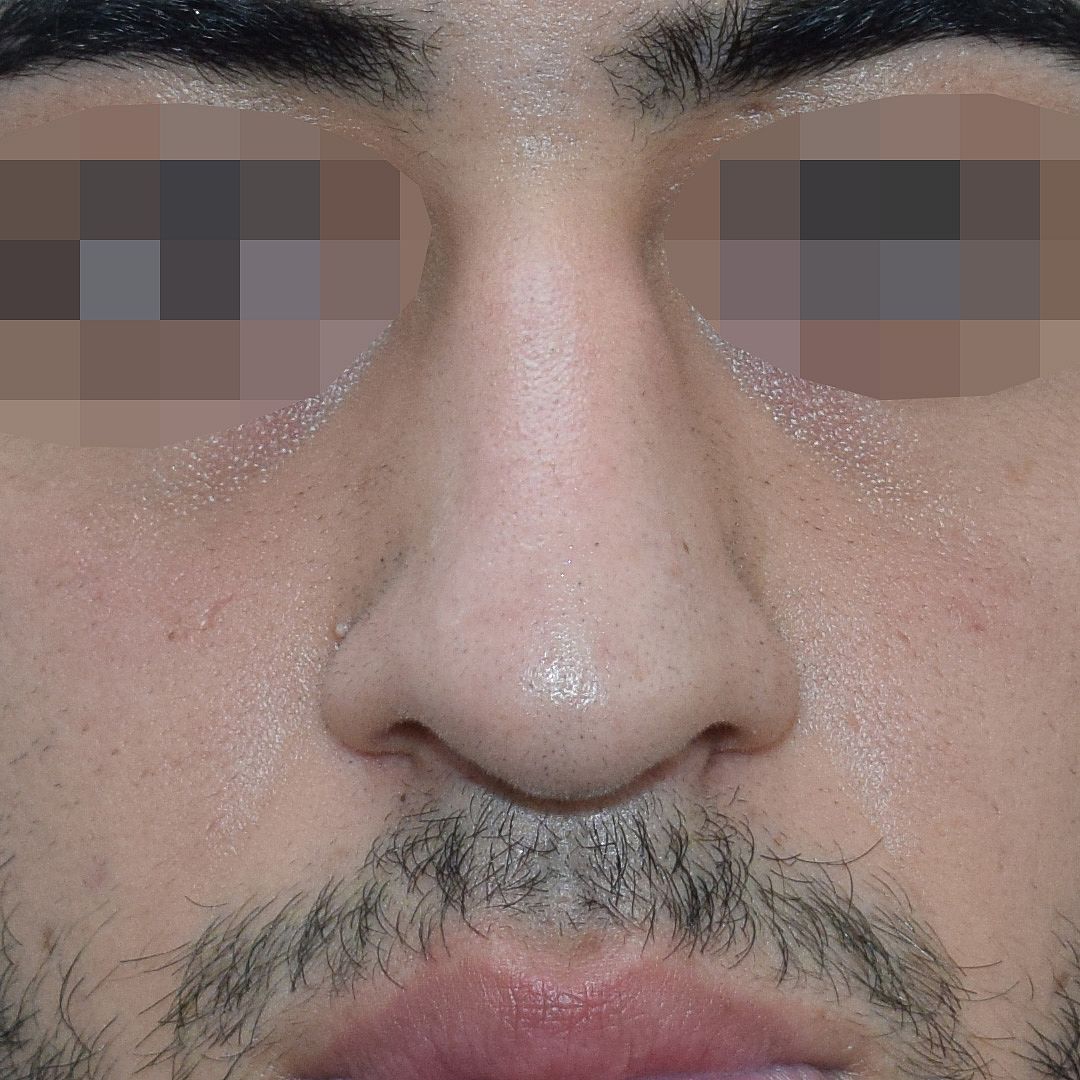
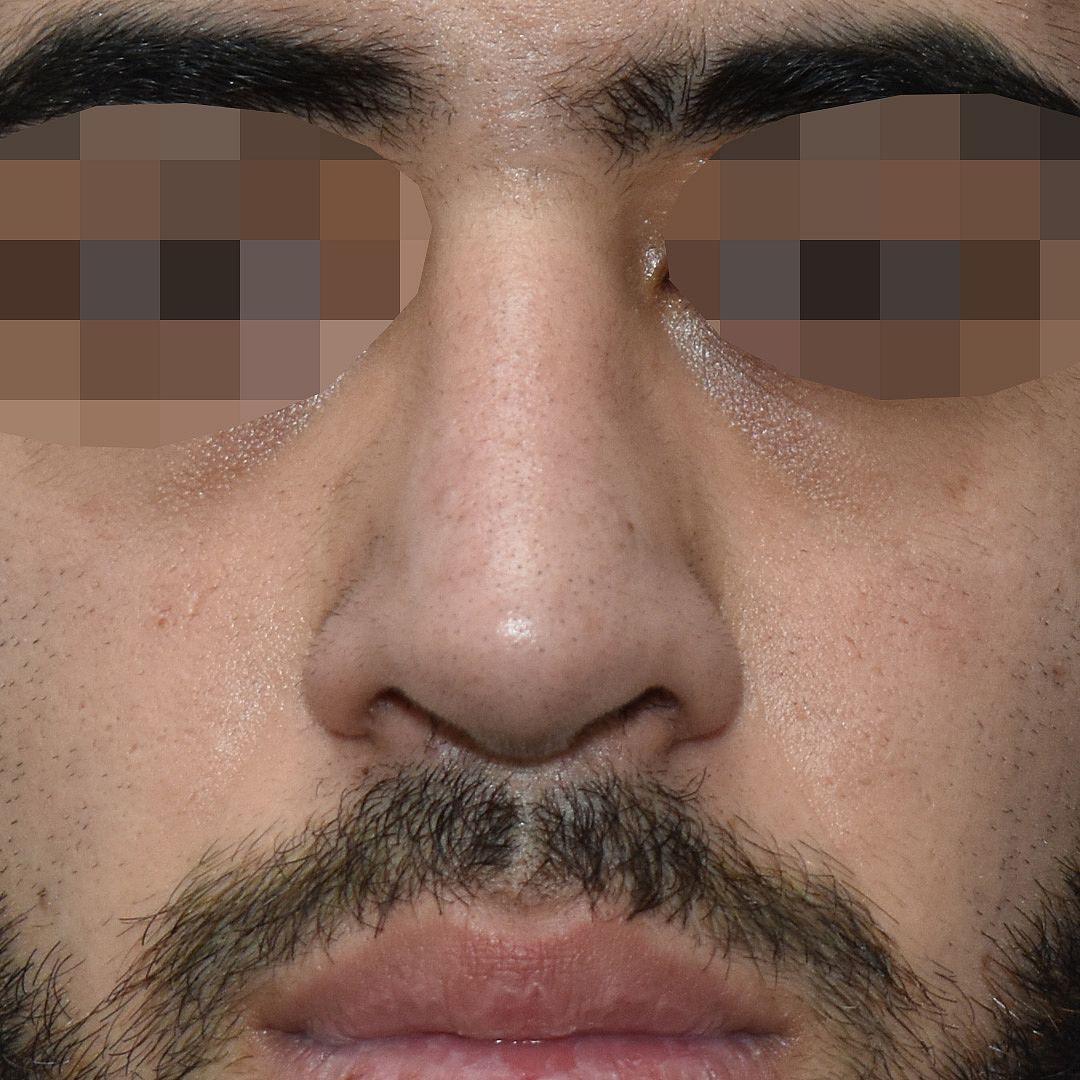
In everyday life a nose is not seen in profile. People see it from the front in conversation, from slightly above in photographs, from below when someone is taller. A simulation that shows only the profile therefore answers only part of the question.
Our 3D simulation shows your future nose not only in profile, but also from the front and from below. So you see your possible result from exactly the angles from which other people see you every day — and we talk about the same image before the operation.
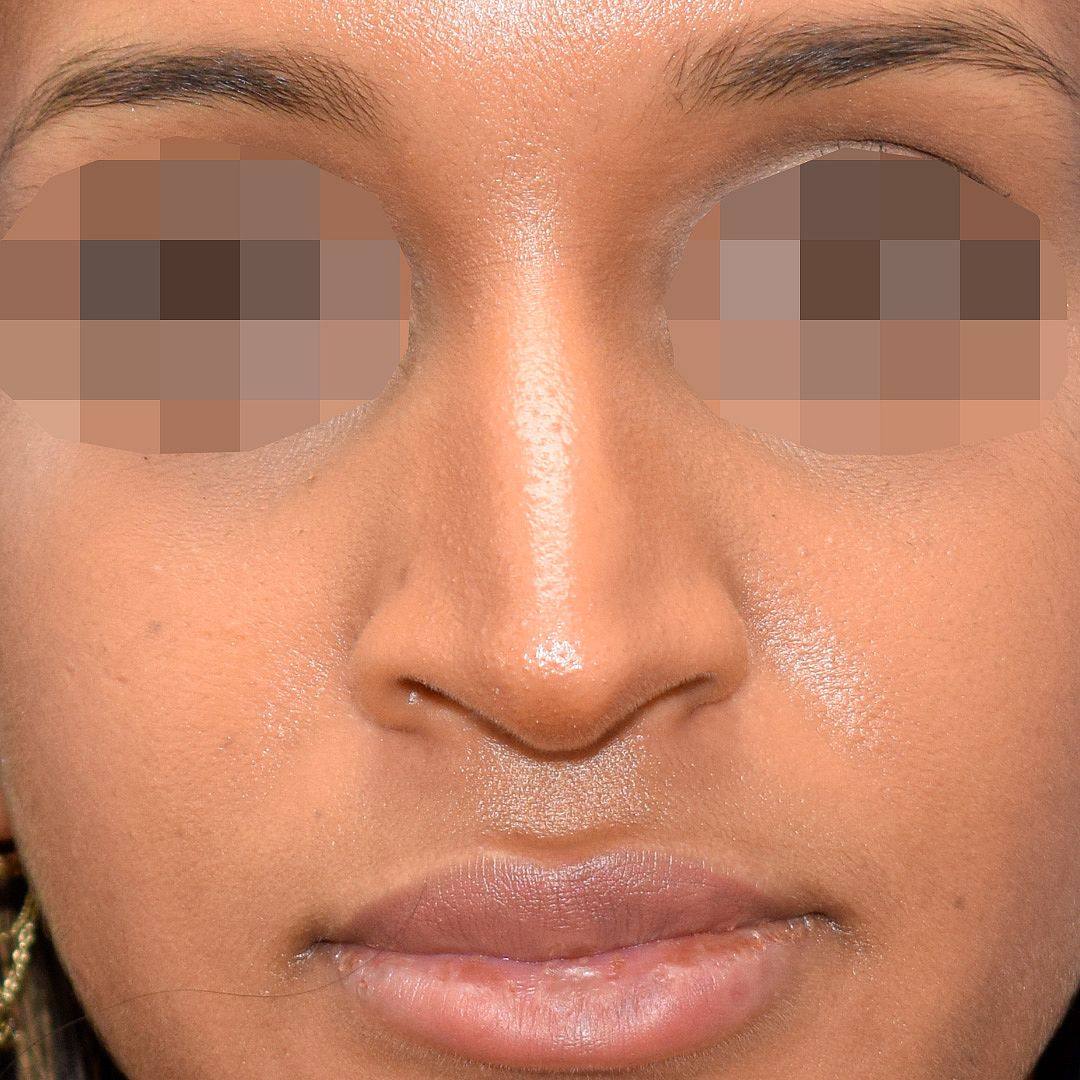
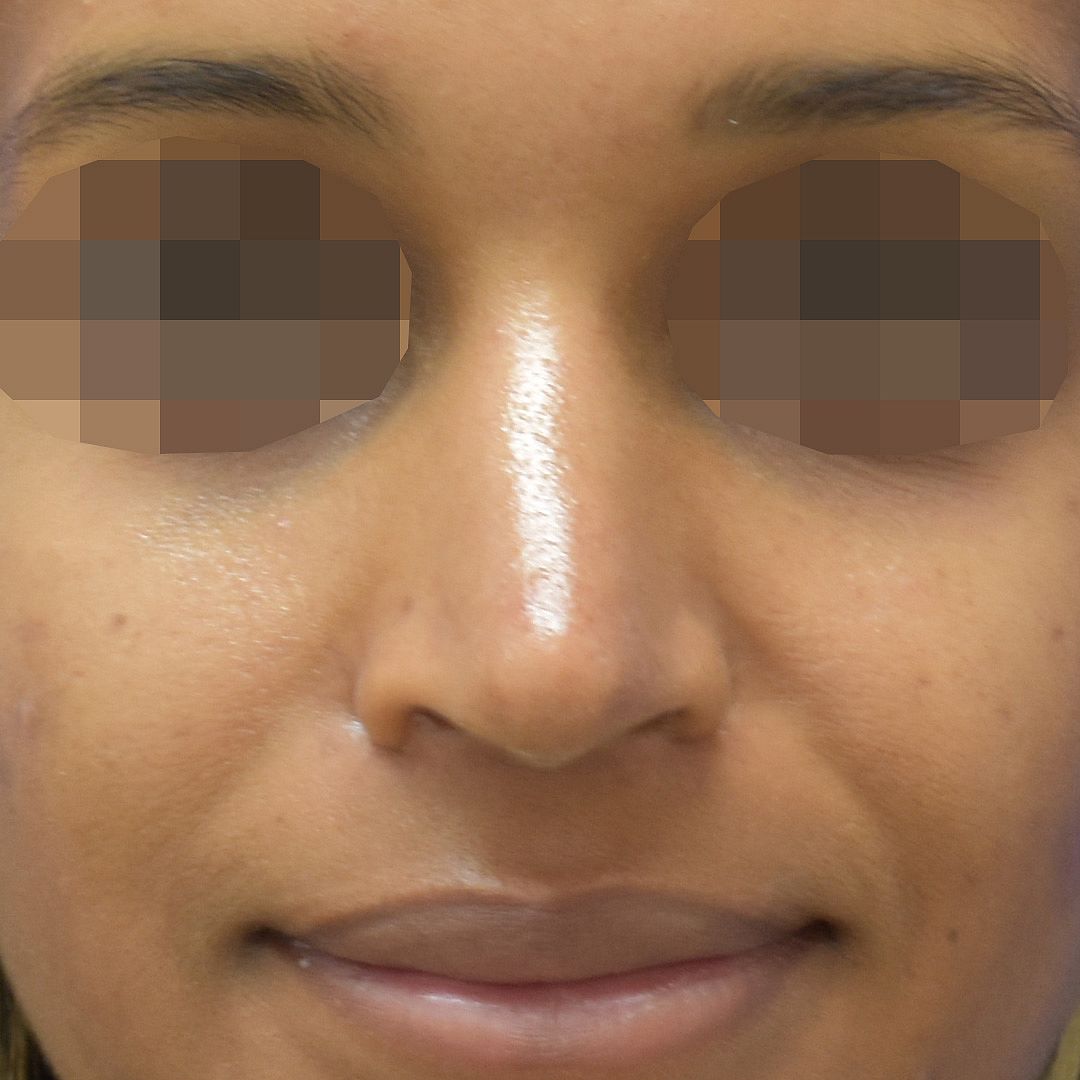
The view from below is particularly revealing: it shows how symmetrical the nostrils are, how wide the nasal base is and how the columella runs. These are exactly the details that make the difference in a nasal tip correction — and that cannot be judged from the profile alone.

Four steps from scan to a shared picture.
The scan takes seconds. What comes afterwards is the real value: the shared conversation at the model.
-
Scan
Several cameras capture your face at the same moment. From the individual images an exact spatial model is created within seconds — no radiation, no contact medium, no preparation.
-
Analysis
On the model we assess the nasal bridge, nasal tip, position of the columella, the angles to the forehead and the upper lip as well as symmetry — and note what specifically stands out to you.
-
Modelling
Live and in real time we change individual areas: hump, tip, length, width. At every step you say whether you like it. Out of many small decisions a picture emerges that you stand behind.
-
Into the theatre
The agreed views become part of your surgical plan and are on hand in the theatre on the day of surgery. That keeps what we agreed on visible during the procedure.
„Rhinoplasty changes the entire facial profile — which is why we use the 3D simulation to form a realistic picture together of the possible result.“
What distinguishes the 3D simulation at the Kuzbari Centre
-
A realistic representation
You see your possible results — before the procedure.
-
Better communication
Patient and surgeon talk about the same picture — misunderstandings are avoided.
-
Optimised planning
Together we develop an aesthetically harmonious overall picture.
-
More confidence in the decision
You can decide on a sound basis whether and how you would like to be operated on.
Dr Kuzbari carries out a 3D scan and analysis
In the following video you can see a 3D simulation being carried out at the Kuzbari Centre.

An approximation of the nose you want.
The Vectra 3D simulation helps us make your idea tangible and avoid misunderstandings. It is an approximation, not a guarantee: how your tissue heals and swells cannot be predicted exactly. But it gives you and us the same basis for planning.
Your skin thickness plays a particular role here. Thin skin shows every contour — there, even the smallest edge on the nasal bridge becomes visible later. Thick skin is more forgiving, but takes longer for the final shape to come through. We raise this openly in the consultation, because knowing it beforehand means realistic expectations afterwards.
What the simulation also does not show is breathing. That is why we examine the nose from the inside in the same hour: septum, turbinates and both nasal valves. A shape that looks good but does not let air through is not a good result for us.
“Will I still recognise myself?” — identity and 3D simulation
The greatest fear of many patients: no longer looking like themselves after the nose operation. Dr Christoph Grill explains how he prevents that with conscientious explanation and 3D simulation — and why you should only have a nose correction if you want it with your whole heart.

The image also decides how we operate.
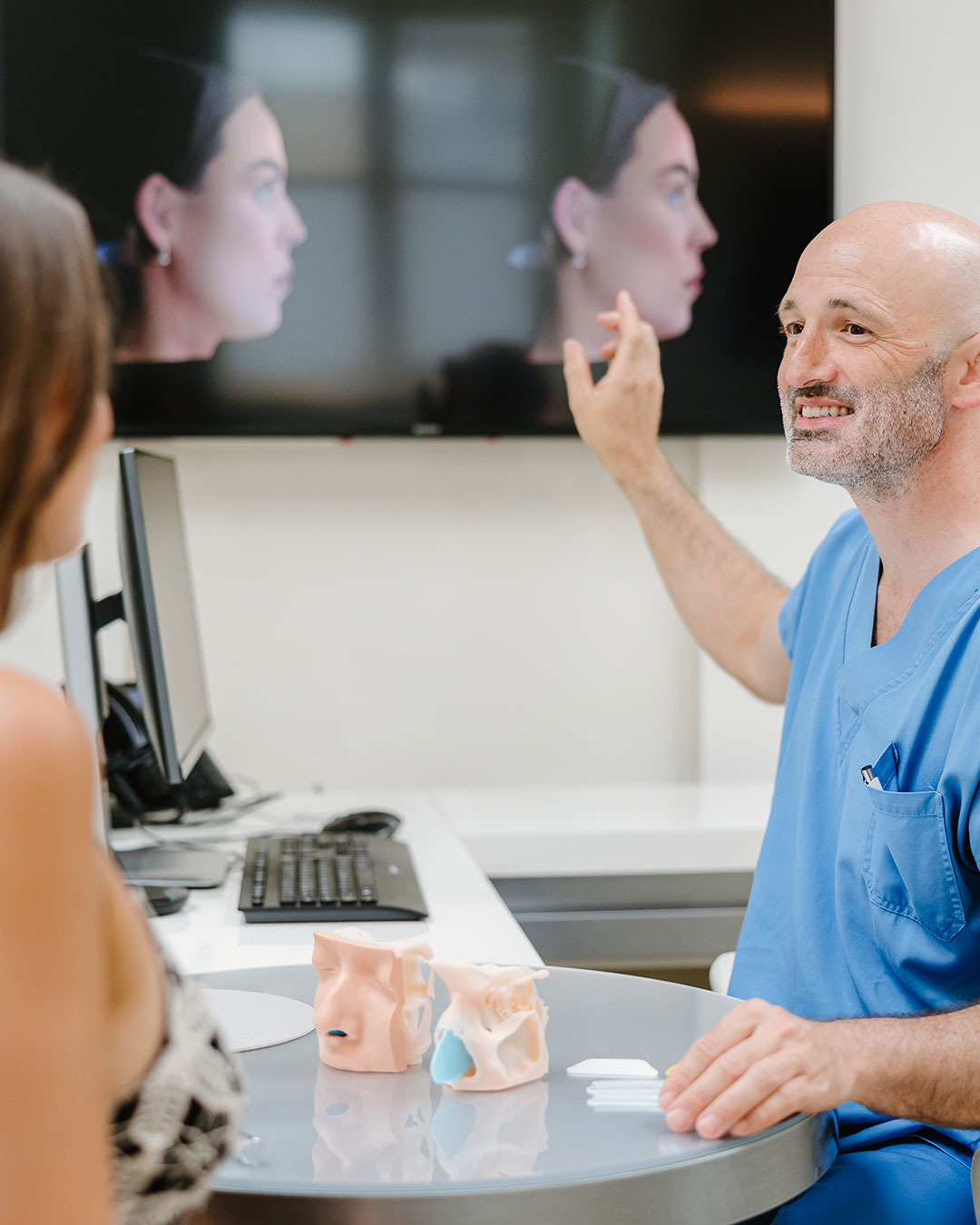
The simulation is not just a means of communication — it is also a planning tool. When we can see on the model how much of the hump should be reduced, how far the nasal tip may be lifted and how that affects the angle to the upper lip, this turns into a concrete surgical plan.
That plan also determines which technique suits your nose: whether the natural nasal bridge can be preserved, how the nasal tip is stabilised with cartilage support and whether the septum has to be addressed in the same procedure. We describe the available routes in detail on our methods page.
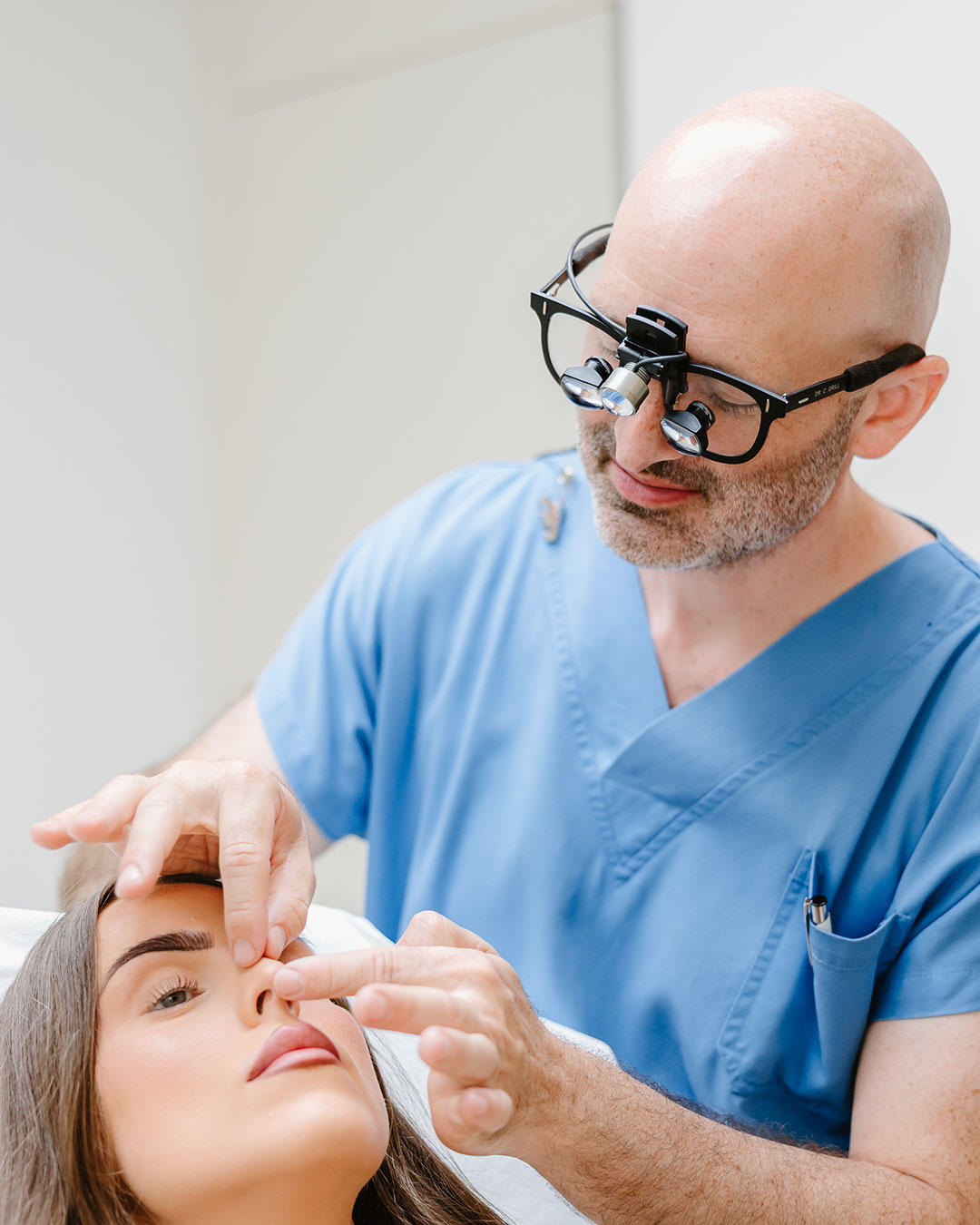
How thick is your skin?
Why the thickness of your skin is decisive for the result of your nose surgery — and how it is assessed.

How nose surgery is planned digitally
What will I look like after rhinoplasty? Dr Christoph Grill shows how a three-dimensional facial scan becomes a shared communication tool — and how the simulation images are on hand during the operation, to arrive precisely at the planned goal.

Making a well-founded decision.
Rhinoplasty is a personal decision — and it should be well considered. If you can see your possible new nose in advance, that decision is easier to make and comes with a good feeling.
That is why the 3D simulation is a fixed part of every first consultation with us — without pressure, in your own time.
What patients most often ask about the simulation
From which perspectives do I see my simulated nose?
Our 3D simulation shows your future nose not only in profile, but also from the front and from below. So you see your possible result from exactly the angles from which other people see you every day — and we talk about the same image before the operation.
Is the 3D simulation included in the initial consultation?
Yes. The Vectra 3D simulation is a fixed part of every initial rhinoplasty consultation at the Kuzbari Centre. There is no separate charge for it.
How long does the 3D scan take?
The scan itself is done in a few seconds: several cameras capture your face at the same moment, producing an exact spatial model. What takes time afterwards is modelling it together — and room for that is built into the consultation, which lasts more than an hour.
Is the simulation a guarantee of the result?
No, and we say so openly. The simulation is a very good approximation and our shared planning basis. How your tissue heals and swells, however, cannot be predicted exactly — skin thickness in particular influences how finely contours show in the end.
Is the simulation used during the operation?
Yes. The simulation images are on hand in the operating theatre. That keeps what we agreed on together visible during the procedure.
Can I take the simulation home with me?
The images remain part of your medical record and are kept with us. We look at them together in the consultation, and we can call them up again at every further appointment — including after the operation, to place the starting point and the result side by side.
Related to this topic
-

How rhinoplasty works
From booking the appointment and the initial consultation through to the last check-up — step by step.
Learn more → -
Surgical methods
Open or closed, nose-bridge-preserving, cartilage-supported — which technique suits which nose.
Learn more → -
Your advantages
Our own operating theatres, three nose specialists and a consultation that lasts more than an hour.
Learn more →
This is what the real magic moment looks like.
Click the magic wand — and see what rhinoplasty changes.
Book your rhinoplasty consultation now
Our rhinoplasty specialists
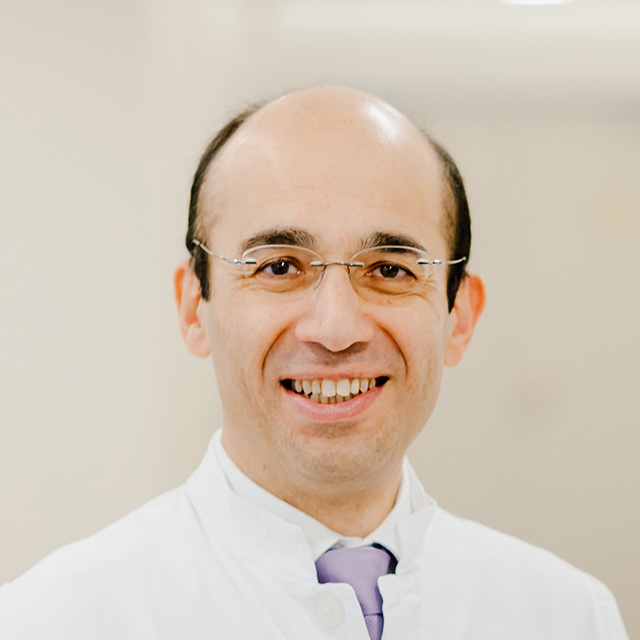
Univ. Doz. Dr Rafic Kuzbari
Specialist in Plastic, Aesthetic and Reconstructive Surgery
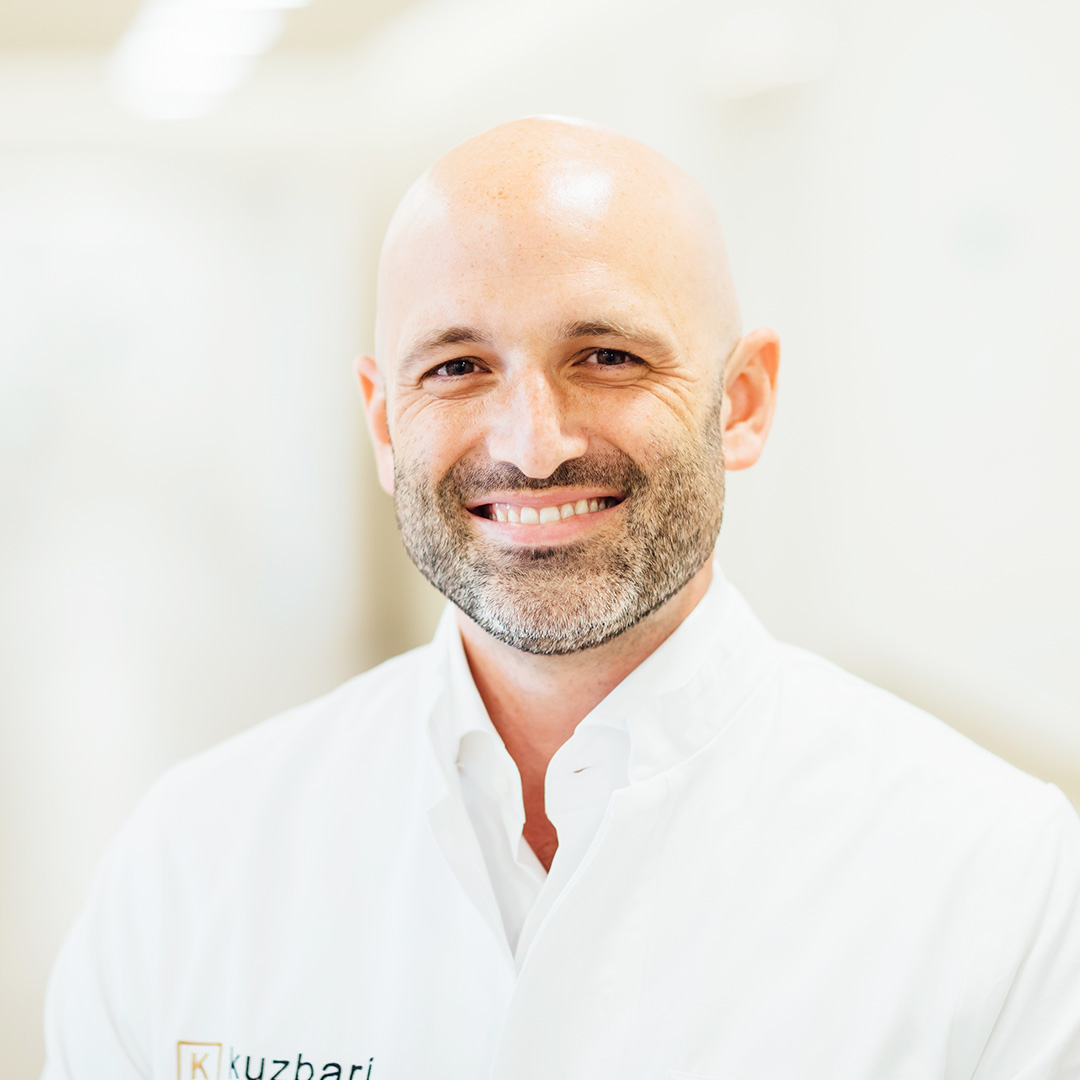
Dr Christoph Grill
Specialist in Plastic, Aesthetic and Reconstructive Surgery

DDr. Jessica Wittmann
Specialist in Oral and Maxillofacial Surgery