Answers to the most frequent questions.
On this page you will find a collection of frequent questions about rhinoplasty that patients regularly ask us in consultations. If you cannot find your question, we would be glad to hear from you — or to talk in person.
Before the decision is made
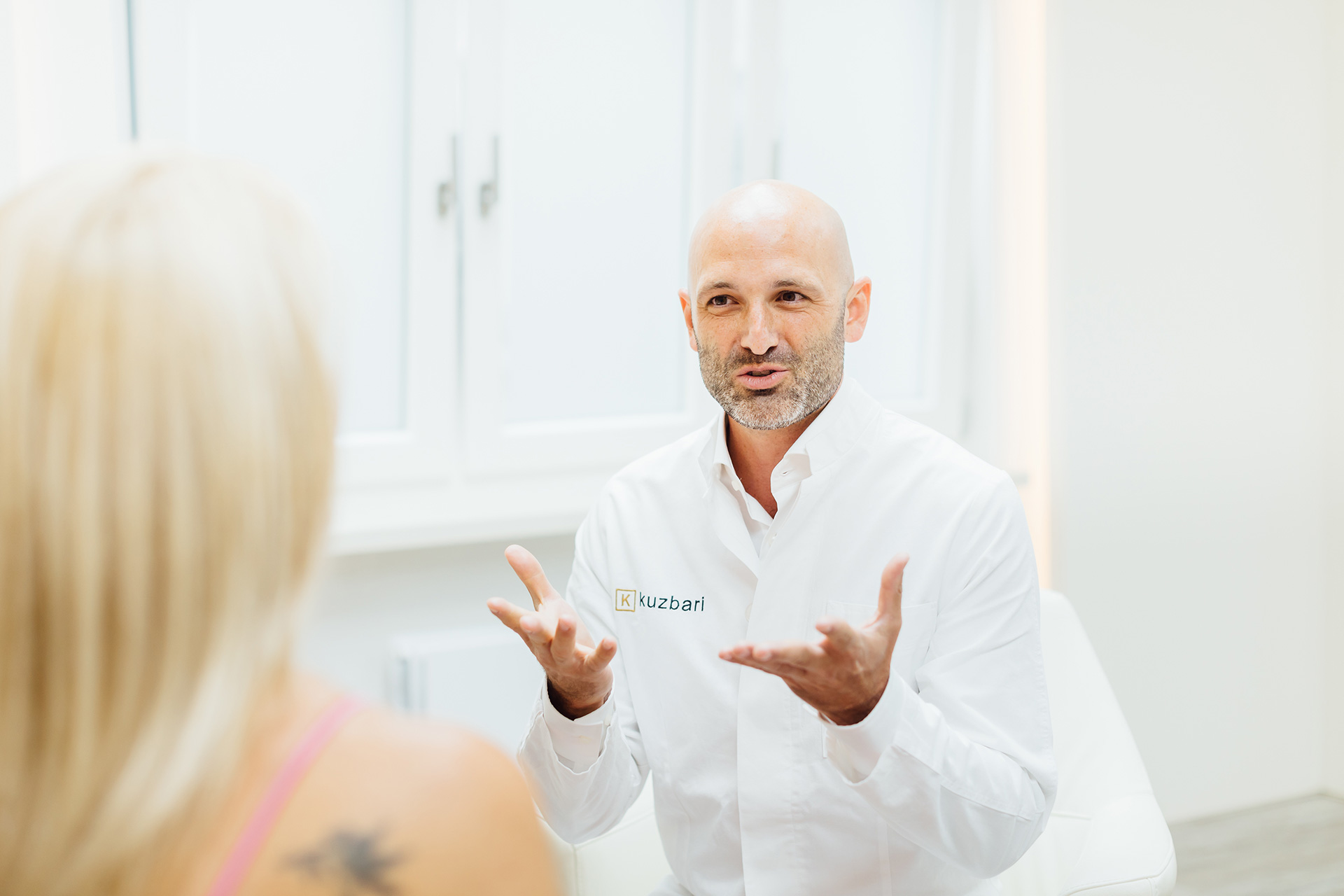
The initial consultation is the most important phase of a rhinoplasty — more important than the procedure itself.
How does the initial consultation work?
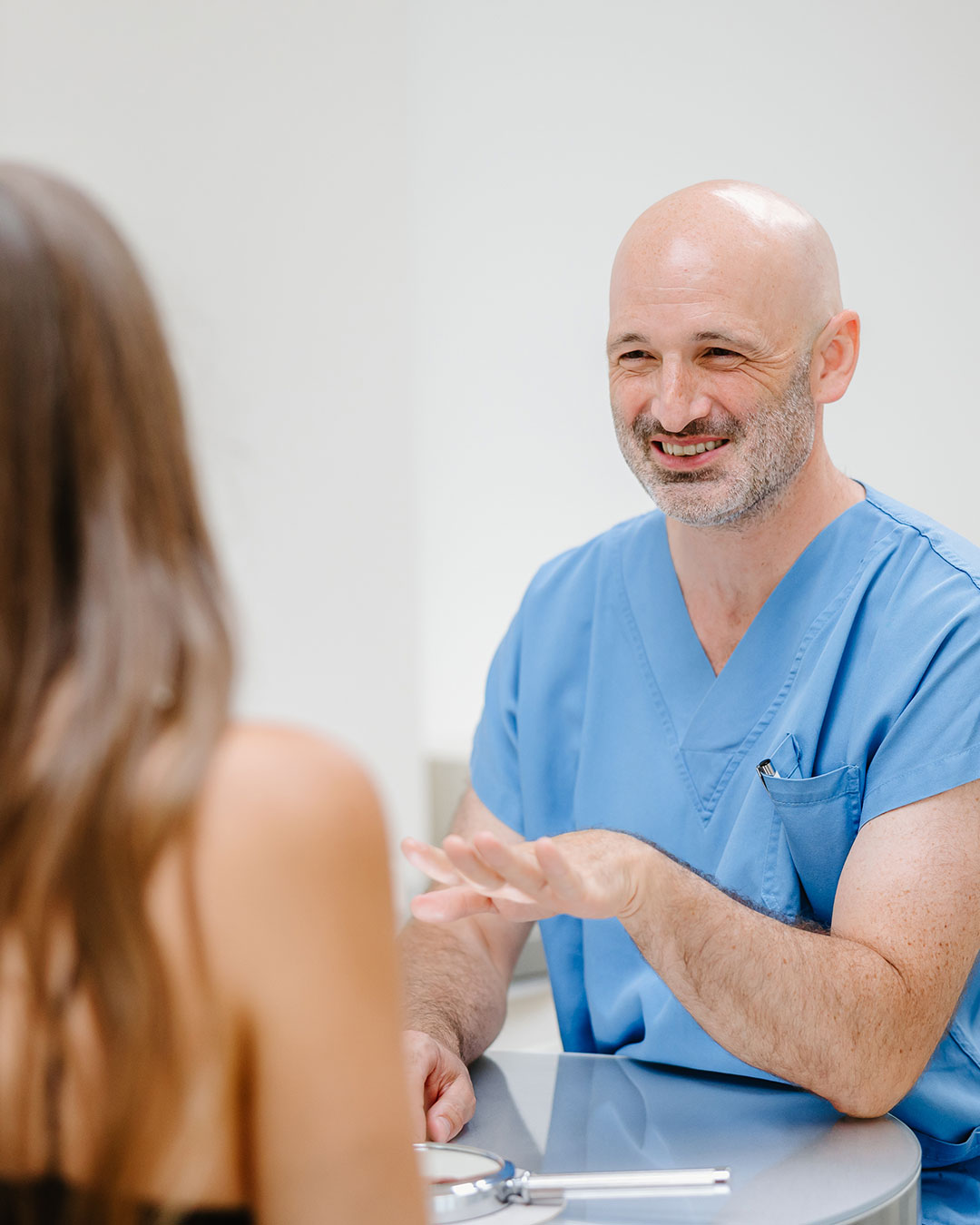
We take more than an hour. In that hour we listen, examine the nose from the outside and the inside, assess skin thickness, nasal bridge, nasal tip and septum, create the Vectra 3D simulation, show before-and-after photographs of comparable starting situations, explain the possible surgical steps and hand over a complete written cost estimate. Nobody is pushed into an operation.
From which perspectives does the 3D simulation show my result?
Our 3D simulation shows your future nose not only in profile, but also from the front and from below. So you see your possible result from exactly the angles from which other people see you every day — and we talk about the same image before the operation.
Is the 3D simulation a guarantee of the result?
No, and we say so openly. It is a very good approximation and our shared planning basis. How your tissue heals and swells cannot be predicted exactly.
What role does my skin thickness play?
A big one. Thin skin shows every contour — there, even the smallest edge on the nasal bridge becomes visible later. Thick skin is more forgiving, but takes longer for the final shape to come through. We therefore raise skin thickness as early as the consultation, so that your expectations match the starting situation.
Is my breathing examined too, even if only the shape bothers me?
Yes, always. Any procedure on the nose can affect breathing — in both directions. That is why every initial consultation includes a look inside: septum, turbinates and both nasal valves. If it turns out that both shape and function are affected, we correct both in one procedure.
From what age is rhinoplasty possible?
As a rule the growth of the nose should be complete — usually from about 16 to 18 years of age. With functional complaints a procedure can in individual cases make sense earlier.
Who will operate on me — the doctor who advised me?
Yes. Consultation, surgery and aftercare are all in one pair of hands with us. You know who will carry out your operation as early as booking — Assoc. Prof. Dr Rafic Kuzbari, Dr Christoph Grill or DDr Jessica Wittmann.
How we operate
Nose-bridge-preserving technique, cartilage-supported nasal tip, piezotome — what lies behind the terms.
Is the rhinoplasty carried out open or closed?
Both techniques have their place. With the closed method all the incisions are inside the nose; with the open technique a tiny incision is added on the columella, barely visible later — it allows maximum precision in complex corrections. Which technique is ideal for you we decide together in the consultation.
What is the nose-bridge-preserving technique (dorsal preservation)?
We work a great deal with the modern nose-bridge-preserving technique known as dorsal preservation, as well as with hybrid techniques — not exclusively with traditional structural septorhinoplasty. The natural nasal bridge is preserved instead of being taken down and rebuilt. The result looks particularly natural, it is stable in the long term, and the risk of later irregularities on the nasal bridge is reduced — which counts above all with thin skin. Certain deviations also recur less often.
Is dorsal preservation suitable for every nose?
No. It is not generally superior, but for many findings it is the gentler choice. Whether it is an option for your nose is shown by the examination in the initial consultation — which is why our surgeons master both routes.
How do you prevent the nasal tip from dropping over the years?
We stabilise the nasal tip using modern cartilage-supported techniques. This significantly reduces the risk of drooping of the nasal tip over the years. Cartilage from your own body is used, usually from the septum.
What is the piezotome?
An ultrasound instrument that cuts and smooths bone while leaving soft tissue, mucous membrane and vessels untouched. We use it as standard in every nose operation. An honest classification matters to us: the piezotome is not a rhinoplasty method in its own right, but a tool for one step. Planning and experience remain decisive.
What is a projectometer and what is it used for?
A fine stainless-steel measuring instrument with a millimetre scale, an adjustable arm and a protractor, placed directly on the nose within the sterile field. It records the two values that determine the profile of a nose: how far the nasal tip projects forward — the projection — and how high the bridge sits. DDr. Jessica Wittmann works with it during her nasal operations: the baseline value is taken before the first step, then measured again after every further step and compared with the plan from the 3D simulation. Whether the bridge has been reduced by the planned amount and the tip raised accordingly can therefore be checked while still in theatre. The decision still rests with the surgeon; the instrument checks it.
I have thick nasal skin — what does that mean for my rhinoplasty?
Thick nasal skin is no reason to rule out surgery; it calls for a different strategy and honest expectations. A very narrow, sharply drawn tip cannot be brought out beneath thick skin; changes to size, profile and axis work well. Technically, we therefore build up rather than take down: a stable cartilage framework carries the tip against the skin and gives it definition from within, together with careful handling of the soft-tissue envelope. To that end, Dr. Christoph Grill and DDr. Jessica Wittmann spent a fellowship in Brazil in 2026 working intensively with new and modern techniques of rhinoplasty, with a focus on thick skin and ethnic nasal shapes. Expect the swelling to subside more slowly as well: the final result appears after 6 to 12 months, with thick skin rather at the upper end of that range.
Where does the cartilage used for support come from?
From your own body — as a rule from the septum, which is addressed anyway in a functional correction. The body’s own cartilage grows in, changes with the tissue and is not rejected. If it is not sufficient, which happens above all with previously operated noses, other sources from your own body are available.
Do you also operate on noses that have already been operated on?
Yes. Four in ten nose operations at the Kuzbari Centre are revision rhinoplasties on a nose that has already been operated on. Such procedures require particular experience: the tissue is scarred, cartilage is sometimes missing, and the starting situation is different for every patient. We deliberately take on such cases.
Surgery and stay
How long does the operation take?
A rhinoplasty takes one to four hours with us. This range is deliberate: we operate in our own operating theatres and therefore without time pressure — for as long as it takes until every detail is right. How long a procedure takes is determined by the findings, not by the appointment schedule. We discuss the time frame planned for you in advance.
What kind of anaesthesia is used?
We normally carry out rhinoplasty under general anaesthetic, supervised by our own specialist in anaesthesiology. That way you are safely looked after throughout the procedure.
Do I have to stay overnight?
Yes, one night. You move into your own patient room at the Kuzbari Centre; dinner and breakfast come from the kitchen of the neighbouring Park Hyatt Vienna. The next morning your surgeon comes for the ward round, after which you can go home between 8 and 10 o’clock.
Do I need someone to accompany me?
For the journey home the following day, someone to accompany you is absolutely required. After an anaesthetic you must not drive yourself for 24 hours.
Do I need nasal packing?
Where possible we do not use the classic, uncomfortable packing. We work with gentle, thin silicone splints and modern alternatives that make breathing easier and can be removed comfortably.
Will there be visible scars?
With the closed technique there are no external scars. With the open technique a tiny incision remains on the columella, which as a rule is barely detectable once healed.
Will I be in pain?
After nose surgery our patients rarely report pain — many describe the feeling as more like a week with a head cold. Some experience mild headaches, others report no pain at all. All patients cope well with the painkillers we prescribe.
The time after the operation
When can I go back to work?
Most patients are fit for work again after 3 to 7 days. You are usually presentable in company — that is, without visible traces of the operation — after 1 to 3 weeks, once the splint and the dressing have been removed.
When will I be presentable?
From a medical point of view you can go back to desk work and most everyday activities after just 3 to 7 days. If you would rather nobody could tell you have had surgery, reckon on 1 to 3 weeks — by then the splint and the dressing are off and you are presentable in company again.
When will I see the final result?
As a rule the result is visible immediately. But it takes 6 to 12 months until all swelling has gone and one can speak of a lasting result. With thicker skin this step takes longer.
When can I do sport again?
Endurance sport after 4 weeks, weight training after 6 weeks.
What can I do to reduce swelling?
Keeping your head elevated, cooling in the first few days, taking it easy and wearing the nasal splint consistently all help. In the video DDr. Wittmann gives concrete tips on this.
Can I wear glasses again after the operation?
In the first few weeks the weight of glasses should not rest on the freshly operated bridge of the nose. We show you simple tricks (padding or fixing them to the forehead) until you can wear your glasses normally again.
How many check-ups do I have?
As many as your healing requires. The first appointment to remove the splint and the internal splints is arranged before the operation; after that we see each other at increasing intervals until the final result. All check-ups are included in the price, and during the first days we are reachable 24 hours a day.
May I smoke after the operation?
We strongly advise against it. Smoking narrows the small blood vessels and thereby worsens the blood supply to the tissue that is meant to be healing — with consequences for swelling, scarring and the result. We discuss your smoking habits as early as the safety check.
When may I go back into the sun, the sauna or on a flight?
You should avoid sauna, sunbeds and intense heat during the first weeks, because they increase swelling. Fresh scars need consistent sun protection. For flights and holidays we give you a concrete date at the check-up — if possible, do not plan longer trips for the first few weeks.
Is the result permanent?
Yes. The result of a rhinoplasty is permanent — afterwards the nose only changes within the natural ageing process, like the rest of the face. To keep it that way we support the nasal tip with your own cartilage and, where the findings allow, preserve the natural nasal bridge.
What it costs and how you pay
What does rhinoplasty cost?
A first operation starts at € 9,350. Included are the initial consultation with Vectra 3D simulation, diagnostics and surgical plan, the surgeon’s fee, anaesthesia and operating theatre, one night as an inpatient with catering from the kitchen of the Park Hyatt Vienna, and all check-ups until the final result. You receive your specific amount in writing at the initial consultation.
Can I pay for my rhinoplasty in instalments?
Of course we offer our patients at the Kuzbari Centre the option of instalment payment with a term of up to 60 months. You submit the application online to Kuzbari Finance, and you receive the binding terms with your application.
Does health insurance cover the costs?
The Kuzbari Centre is a private clinic and invoices privately. For aesthetic rhinoplasty, reimbursement is not provided for, and we deliberately raise no hopes in that regard. If there is a functional component, we discuss openly which documents you need for a submission to your insurer — we cannot give any assurance about that.
Do additional costs arise afterwards?
No. What we confirm to you in writing at the initial consultation is the amount you pay — including all appointments before, during and after the operation.
Why does a revision rhinoplasty cost more?
Because the effort is greater: the tissue is scarred, cartilage is sometimes missing, supporting structures have been altered. The operation takes correspondingly longer and demands more planning. You will find our price tiers by complexity on the costs page.
Is the initial consultation binding?
No, the initial consultation is without obligation. You receive a complete cost estimate and then decide in your own time. Many patients get back in touch only weeks later — for us, that too is a good outcome.
Answers on video too
Our specialists answer the most frequent questions about rhinoplasty.
-

When will the result be visible? — Dr Christoph Grill
-

Tips for reducing swelling — DDr. Jessica Wittmann
-
Open or closed nose surgery? — Univ. Doz. Dr Rafic Kuzbari
-
Is nasal packing necessary? — Univ. Doz. Dr Rafic Kuzbari
-

How thick is your skin? — Univ. Doz. Dr Rafic Kuzbari
-

Why is cartilage grafted? — Univ. Doz. Dr Rafic Kuzbari
-

Process, pain & healing honestly explained — Dr Christoph Grill
-

3D simulation: how nose surgery is planned digitally — Dr Christoph Grill
Where the answers are set out in full
-

How rhinoplasty works
From booking the appointment and the initial consultation through to the last check-up — step by step.
Learn more → -
The day of surgery
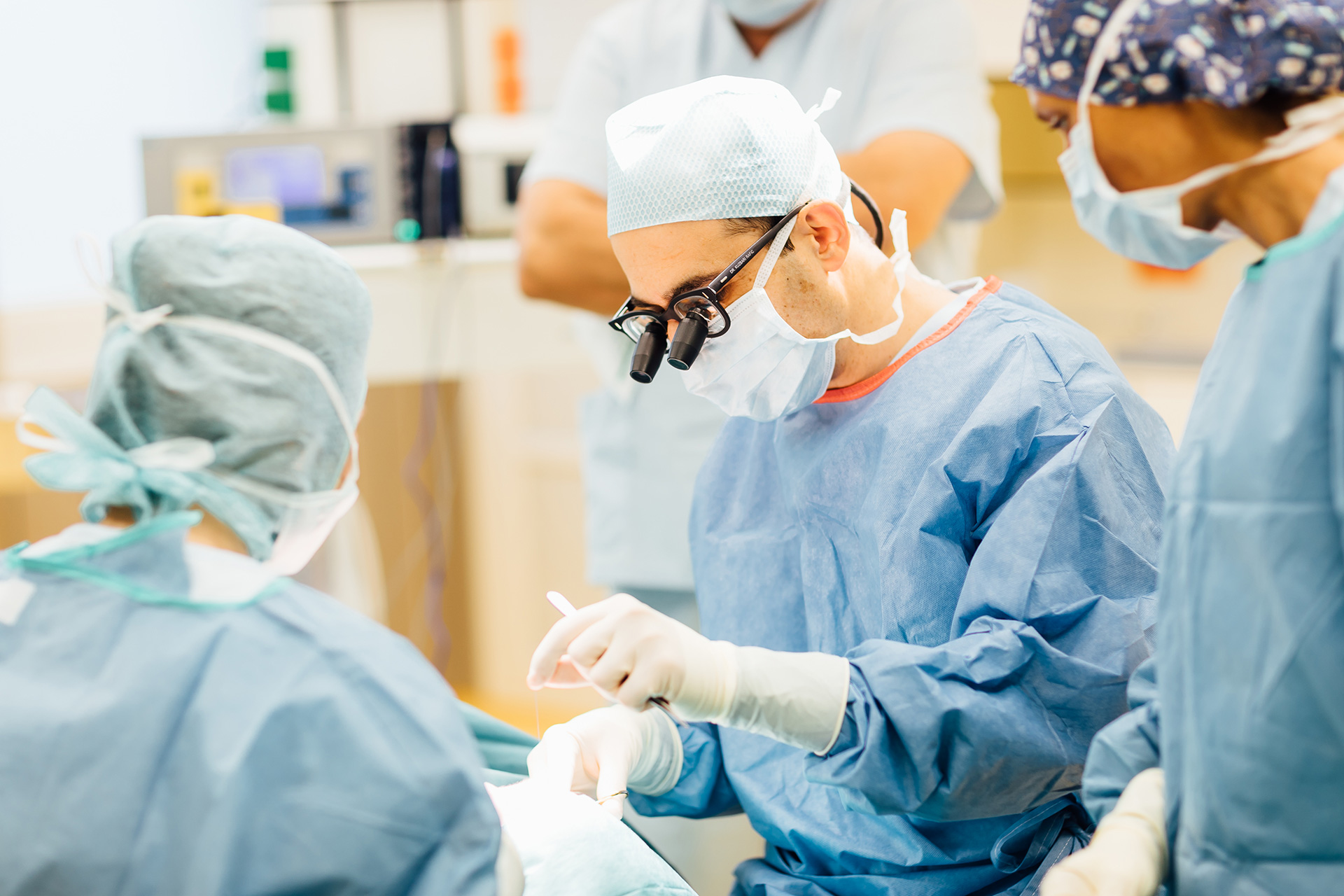
Arrival, anaesthesia, surgery, overnight stay and discharge — the whole day of surgery.
Learn more → -
Costs & instalment payment
Prices by complexity, what is included and how instalment payment works.
Learn more →
Book your rhinoplasty consultation now
Our rhinoplasty specialists
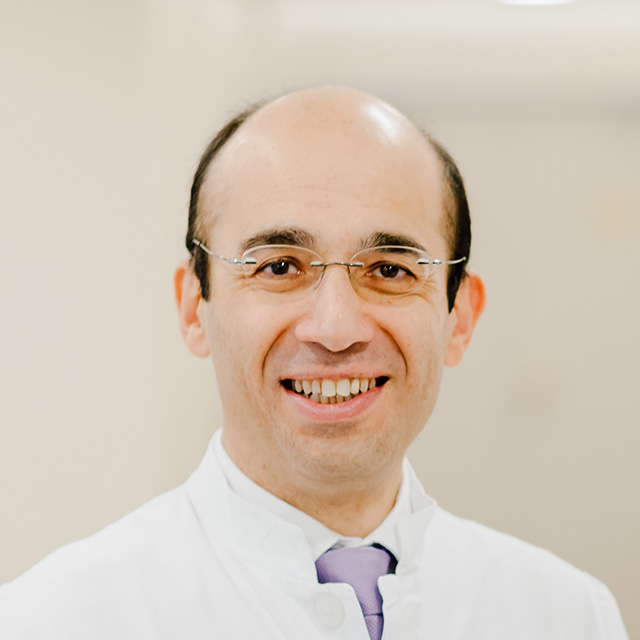
Univ. Doz. Dr Rafic Kuzbari
Specialist in Plastic, Aesthetic and Reconstructive Surgery
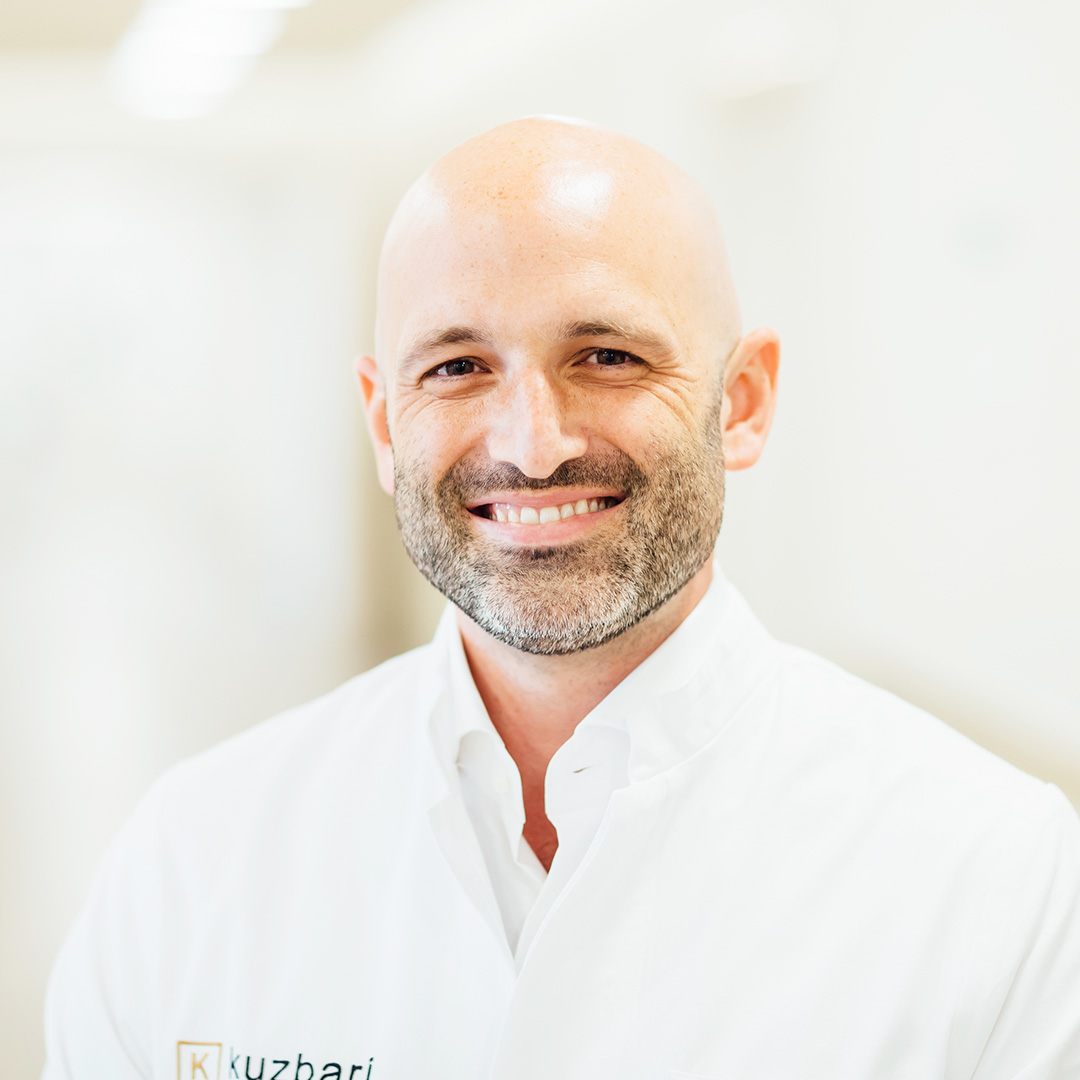
Dr Christoph Grill
Specialist in Plastic, Aesthetic and Reconstructive Surgery
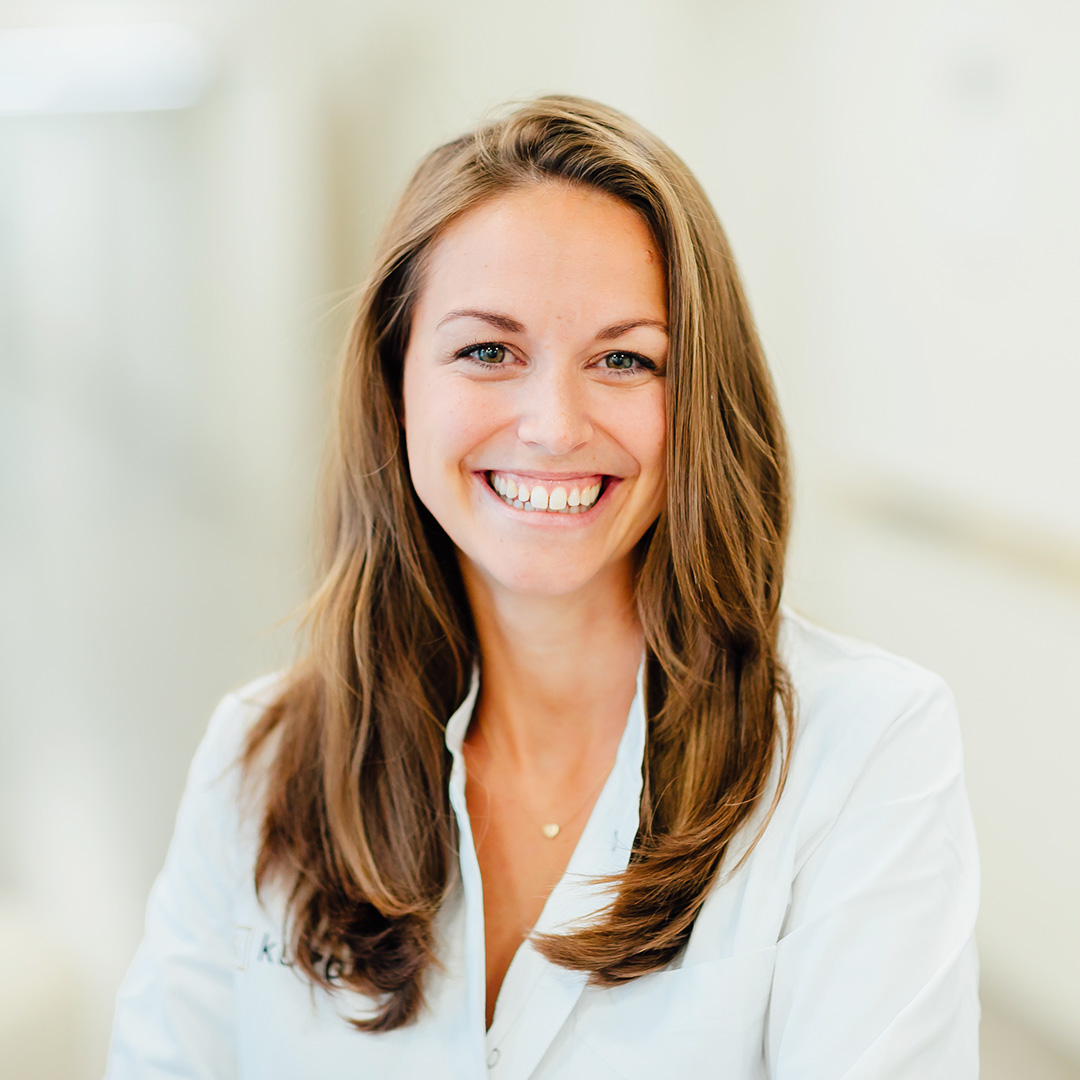
DDr. Jessica Wittmann
Specialist in Oral and Maxillofacial Surgery