Septoplasty in Vienna: straightening the nasal septum to breathe freely again.
A septal operation — medically a septoplasty — straightens the deviated nasal septum and clears the airway again. At the Kuzbari Centre in Vienna we always look at the whole interplay: nasal septum, turbinates and both nasal valves. We are a private clinic and bill privately; we deliberately do not hold out the prospect of your health insurer covering the cost. What you do receive is a complete written cost estimate at the initial consultation lasting more than an hour — and, if you wish, payment in instalments via Kuzbari Finance.

Septoplasty at a glance
| Aim | Free nasal breathing — nasal septum, turbinates, nasal valves |
|---|---|
| Duration of surgery | 1 – 4 hours |
| Anaesthesia | General anaesthesia a dedicated specialist anaesthetist throughout the entire procedure |
| Stay | 1 night as an inpatient |
| The first consultation | More than an hour with Vectra 3D simulation |
| Fit for work | After 3 – 7 days |
| Billing | Private clinic — written cost estimate at the initial consultation |
Why a septoplasty is more than a procedure on a dividing wall.
The nasal septum divides the nose into two airways and at the same time supports it from within. If it is deviated, one of the two airways becomes narrow — often made worse by enlarged turbinates or a nasal valve that is too tight. A septoplasty straightens the septum; where necessary we treat the turbinates and nasal valves in the same procedure.
We all have two entrances to the airways: the mouth is one, the nose the other. So the nose is not only outwardly visible, it also has a very large mucous membrane surface inside. This moistens the air we breathe, warms it and cleans it.
Every medical procedure can influence these tasks of the nose, for better and for worse. This is why rhinoplasty is regarded as the supreme discipline of plastic surgery. To achieve the best possible result, two potential bottlenecks for breathing must be taken into account before and during the procedure: the nasal valves and the nasal septum.
What your nose does without you noticing.
Every breath through the nose does several things at once — and each of these tasks depends on the airway being clear.
-
Humidifying
The large mucous membrane surface inside the nose releases moisture into the air you breathe. Dry air coming through the mouth irritates the throat and bronchi far more.
-
Warming
On its way through the nose the air is brought to body temperature — in winter too. That relieves the lower airways.
-
Cleaning and protecting
Fine hairs and mucus catch dust, pollen and germs before they reach the lungs. The nose is the airway’s first barrier.
-
Smelling
The olfactory mucosa in the upper part of the nasal cavity is only reached when air flows past it. If the passage is narrowed, the sense of smell suffers too — and with it a large part of taste.
-
The sound of your voice
The nasal cavity and sinuses are resonance chambers. Anyone who is permanently blocked sounds audibly different — and often notices the difference only afterwards.
-
Restful sleep
Anyone who has to breathe through the mouth at night sleeps less soundly, snores more often and wakes up less rested. Many patients call this the biggest change after the correction.
The nasal valves.
We distinguish two nasal valves: external and internal. The external nasal valve lies at the border between the nostril wall and the nostril opening. The internal nasal valve lies in the area between the cartilage of the nostril walls, the lateral nasal cartilage and the septum.
Both nasal valves can become the first narrow point for the airflow — if the surgeon does not take them into account before and during the operation. That is why we support and stabilise these narrow points with cartilage grafts where necessary.

The nasal septum.
The nasal septum is — put simply — the dividing wall between the left and right nasal cavities. It consists of cartilage and bone segments and represents the central support within the framework of the nose.
If the nasal septum is disregarded during an operation, however, that can lead to a further narrow point and thus to a worsening of nasal breathing. For that reason Univ. Doz. Dr Rafic Kuzbari, Dr Christoph Grill and DDr. Jessica Wittmann make sure that deviated parts of the septum are straightened during the procedure.
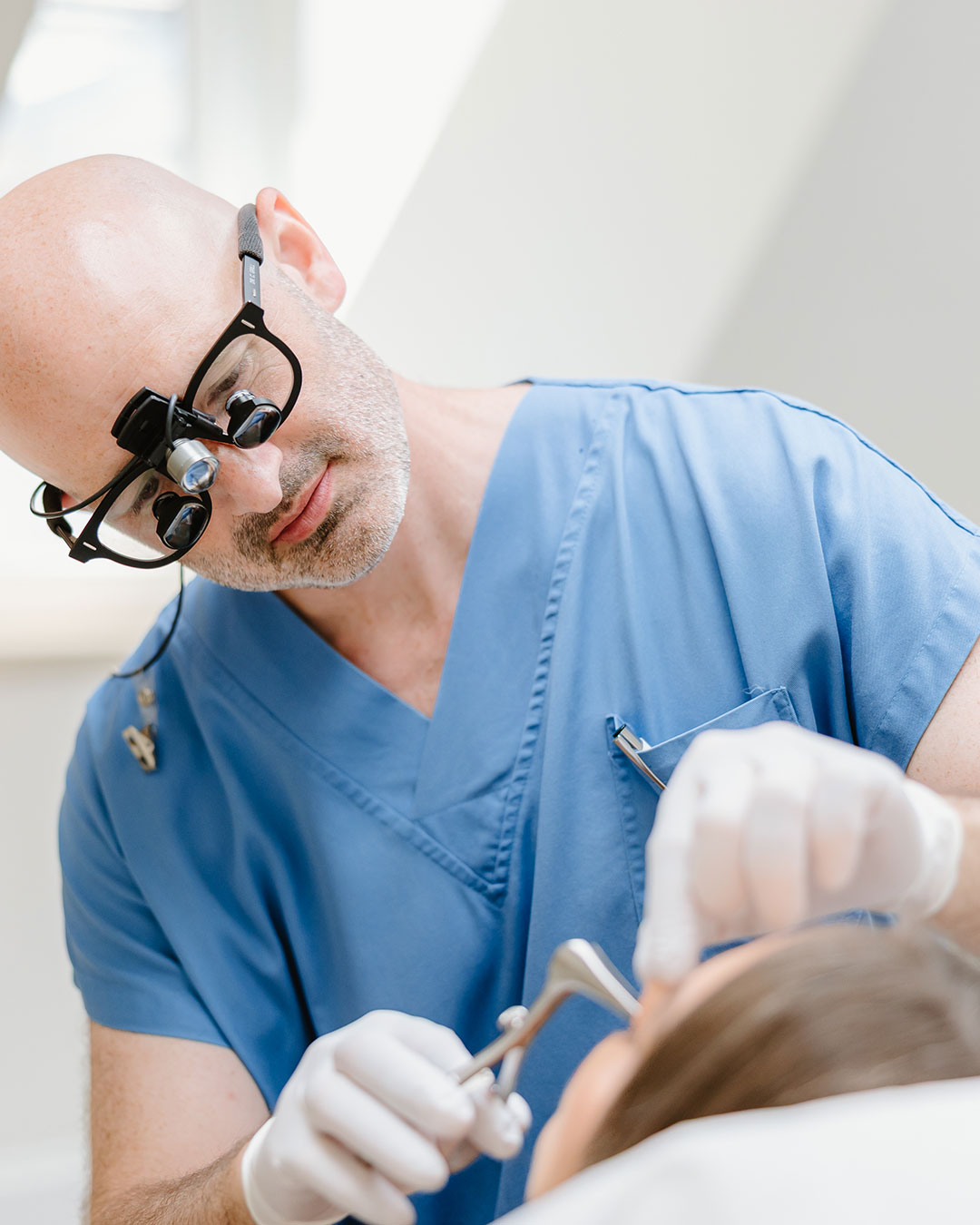
The turbinates.
Besides the two bottlenecks there is a third factor that affects breathing: the turbinates. These are ridges of mucous membrane on the side walls of the nasal cavity whose job is to warm and humidify the air you breathe. To do this they can swell up and down.
If they are permanently swollen — often with allergies or after years of using decongestant nasal sprays — they narrow the airway further. Where that is the case, we reduce them gently in the same procedure without giving up their function. Because a nose that is too wide is not a good result: the mucous membrane needs surface area to do its work.
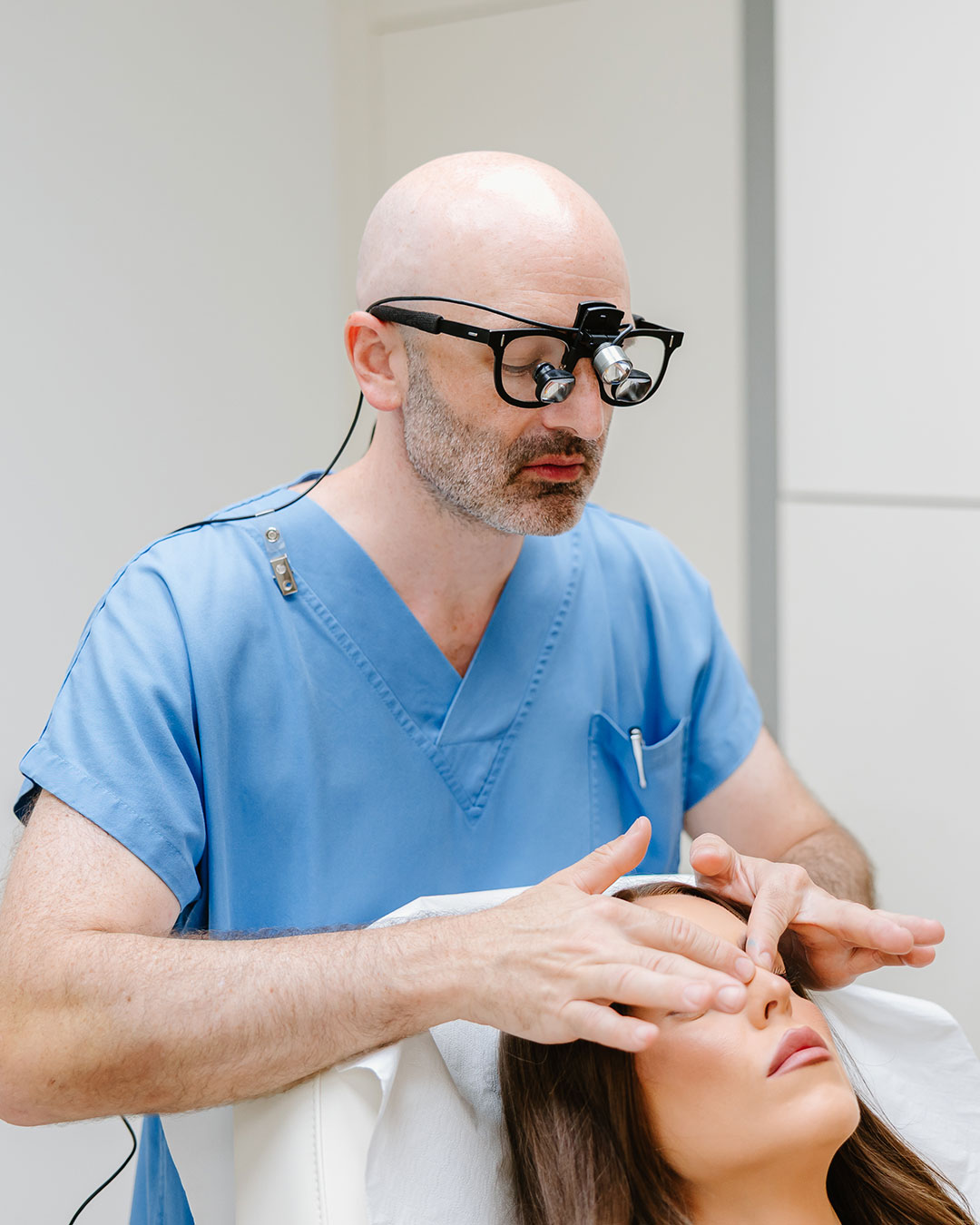
Examining nasal breathing in the initial consultation.
Whether breathing is free cannot be established by asking, only by examining. That is why every initial consultation — even when the reason is purely aesthetic — includes a look inside:
- Nasal speculum: we look directly at the septum, turbinates and mucous membrane and assess where the passage is narrow.
- Testing the nostrils: breathing in strongly shows whether the side wall collapses — a sign of a nasal valve that is too weak.
- Side comparison: often only one side is affected. Anyone used to it barely notices it any more.
- Palpating the nasal bridge and nasal tip: stability and skin thickness help determine how much support is needed.
Only from these findings does the surgical plan emerge. If it turns out that both shape and function are affected, we correct both in a single procedure — that spares you a second operation and a second healing period.
Why we support with your own cartilage.
A nose has to look good and breathe well not only immediately after the operation, but also ten years later. For that the nasal framework needs load-bearing supports — and the most stable support is the body’s own cartilage. It grows in, changes with the tissue and is not rejected.
We stabilise the nasal tip using modern cartilage-supported techniques. This significantly reduces the risk of drooping of the nasal tip over the years. The same principle applies to the nasal valves: a narrow strip of cartilage in the right place keeps the side wall open without being visible from the outside.
The cartilage usually comes from the septum, which is addressed anyway in a functional correction. If it is not sufficient — which happens above all with previously operated noses — other sources from your own body are available. What is suitable for your nose we discuss before the operation.
What happens if these narrow points are not taken into account?
Irmgard S. (35), whom we took on as a previously operated patient, had to go through this painful experience. She was very disappointed after her first nose operation: the nose was not only unsightly, she had also suffered a collapse of the internal and external nasal valves. As a result her nasal breathing was considerably impaired — she could no longer breathe deeply and freely.
She came to Assoc. Prof. Dr Kuzbari because this starting situation required reconstructive nose surgery. First of all we had to reshape the nasal framework. Cartilage had to be grafted for this, because many parts of the cartilage framework had been surgically removed or deformed by scarring.
Cartilage grafts were placed at invisible sites to support the columella and to widen the overly narrow nasal bridge, which made the nose look natural again. At the same time this opened the internal nasal valve, so breathing became freer again. With several visibly placed cartilage grafts the nasal tip, deformed after the previous operation, was reconstructed.
Only a few weeks after the operation a harmonisation of the nasal shape was clearly visible. Once the swelling had gone down completely, the corrected nose looked inconspicuous and harmonious. Breathing was also fully possible again. The patient says that with her corrected nose she has regained her joy in life.
Why is cartilage grafted?
Univ. Doz. Dr Rafic Kuzbari explains why cartilage is grafted in rhinoplasty and how it stabilises the shape in the long term.

„Technical shortcomings after previous surgery can be corrected — but the effort involved is considerably greater than with a first operation.“
Form and function in one pair of hands.
A rhinoplasty determines not only your appearance but directly your breathing. That is exactly why we plan every procedure from the function outwards: the two narrow points — the nasal valves and the septum — are specifically taken into account before and during the operation and supported with the body's own cartilage where necessary, so that you can breathe freely after the correction.
Nasal surgery is the main focus of Univ. Doz. Dr Kuzbari, Dr Christoph Grill and DDr. Jessica Wittmann. For many years intensive work on aesthetic and functional rhinoplasty, nasal reconstruction and difficult revision operations has been at the centre of their surgical practice. They teach at the Medical University of Vienna and at the Sigmund Freud Private University and are internationally sought-after speakers in the field of nasal surgery.
Breathing freely through your nose again at last.
Obstructed nasal breathing is more than a nuisance — it costs sleep, energy and joy in life. Once the narrow point has been remedied, many patients describe a completely new feeling in their body.
That is why we always think of function and form together — for a result that feels good and looks good.

Rhinoplasty, 30
The patient would like a correction of the nasal hump and a general reduction of the nose. Her nasal breathing is impaired and that bothers her during sport.
Operation performed: Open nose surgery with straightening of the nasal septum (open septorhinoplasty).


What patients most often ask about breathing
What are the nasal valves?
There are two: the external nasal valve lies at the border between the nostril rim and the nostril, the internal one in the area between the cartilages of the nostrils, the lateral nasal wall and the septum. Both are bottlenecks for the airflow and are specifically taken into account before and during the operation.
How do I notice that a nasal valve is too narrow?
Typically the sides of the nose collapse when breathing in strongly and the air then stalls — often more pronounced during sport or at night. Many of those affected have unconsciously got used to breathing through the mouth.
Can a rhinoplasty make breathing worse?
Any procedure on the nose can affect breathing — in both directions. That is precisely why we plan every correction from function outwards and always examine the nose from the inside as well, even when the reason is purely aesthetic.
Is the septum addressed in every rhinoplasty?
Not in every one, but always when it is deviated or needed as a support. Deviated portions are straightened during the procedure — and they are at the same time the most common source of the cartilage with which we support the nasal tip and nasal valves.
What are enlarged turbinates?
The turbinates are ridges of mucous membrane on the side walls of the nasal cavity that warm and humidify the air you breathe. If they are permanently swollen, they narrow the airway further — often in the case of allergies. They can be reduced gently in the same procedure.
Does health insurance cover a functional rhinoplasty?
We are a private clinic and invoice privately. We therefore raise no hopes of reimbursement; instead we give you a complete written cost estimate at the initial consultation — and, if you wish, instalment payment through Kuzbari Finance.
Why is the effort greater with previously operated noses?
Because the tissue is scarred, cartilage is sometimes missing and supporting structures have been altered. Technical shortcomings after previous operations can be corrected — but the effort involved is considerably greater than in a first operation.
Related to this topic
-
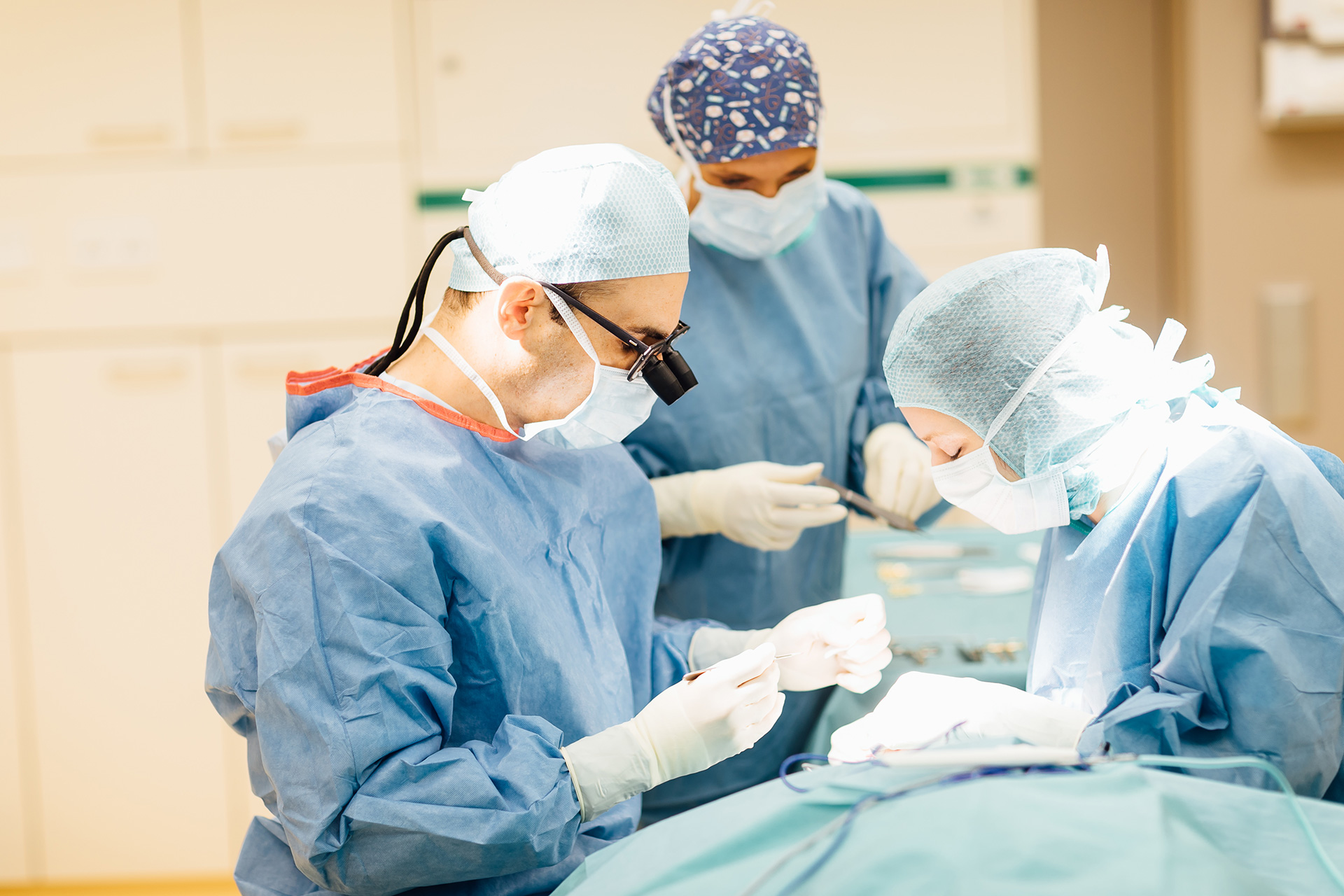
Functional rhinoplasty
Deviated septum, enlarged turbinates, a nasal valve that is too narrow — how we clear the airway.
Learn more → -
Crooked nose
Straightening a crooked nose without sacrificing breathing — shape and function in one procedure.
Learn more → -

Revision surgery
Corrections to previously operated noses — scarred tissue, missing cartilage, greater effort.
Learn more →
Three surgeons for your nose
-
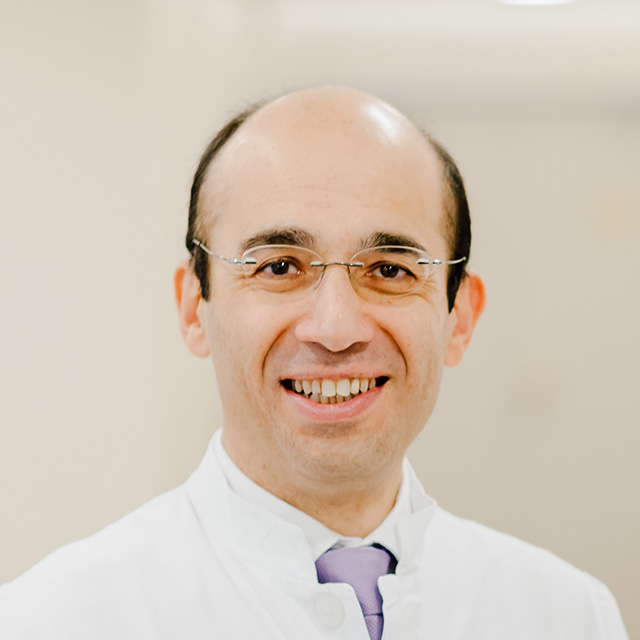
Univ. Doz. Dr Rafic Kuzbari
Specialist in Plastic, Aesthetic and Reconstructive Surgery
Over 30 years of experience; internationally regarded as an expert in revision procedures and complex rhinoplasty.
-
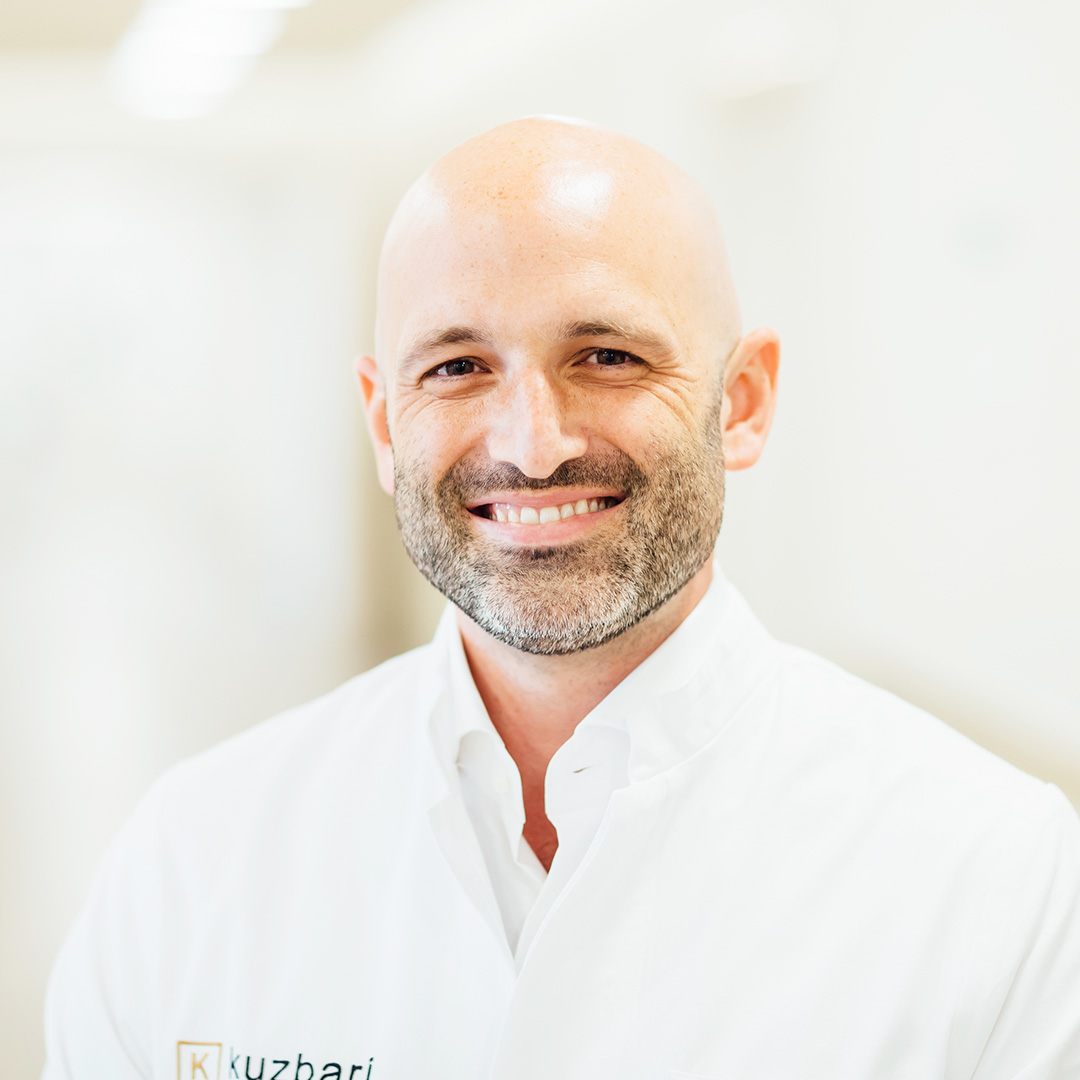
Dr Christoph Grill
Specialist in Plastic, Aesthetic and Reconstructive Surgery
A specialist in aesthetic and functional rhinoplasty with a focus on natural results.
-

DDr. Jessica Wittmann
Specialist in Oral and Maxillofacial Surgery
Combines the surgical and the aesthetic eye: precise nasal surgery with a sense for harmonious proportions.
Book your rhinoplasty consultation now
Our rhinoplasty specialists
Univ. Doz. Dr Rafic Kuzbari
Specialist in Plastic, Aesthetic and Reconstructive Surgery
Dr Christoph Grill
Specialist in Plastic, Aesthetic and Reconstructive Surgery
DDr. Jessica Wittmann
Specialist in Oral and Maxillofacial Surgery